Author: HardHat Rights

  • Electrocution and Shock Injuries on the Job Site: Long-Term Claim Strategies


    Electrocution and Shock Injuries on the Job Site: Long-Term Claim Strategies

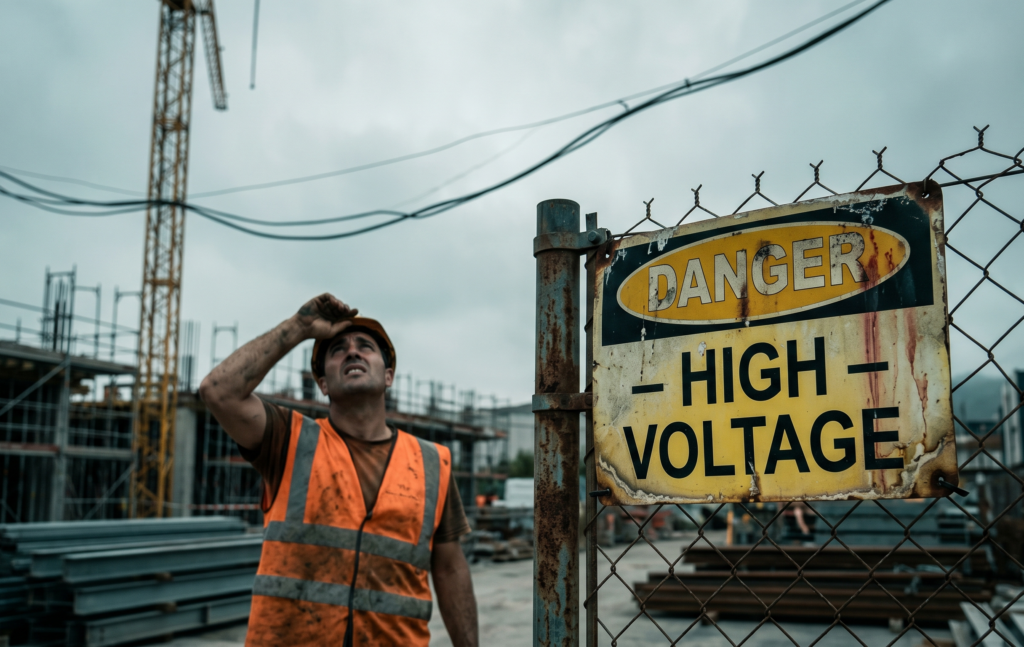
    Electricity gives almost no warning. One contact with a live wire, an energized panel, or a power line a crane drifted too close to, and a worker can be thrown, burned, or stopped cold in a fraction of a second. On a construction site, electrical contact is one of the “Fatal Four” — the cluster of hazards responsible for the largest share of worker deaths year after year. For those who survive, the real fight often starts months later, when the injuries no one photographed begin to surface.

    That delay is the central problem with an electrical injury claim. The visible burn heals, the claim is quietly valued as if it were minor, and the long-term nerve, cardiac, and neurological damage that electricity leaves behind is never accounted for. Understanding how shock injuries unfold over time is what separates a short payout from a claim that protects you for years.

    Why Electrical Injuries Are Different From Any Other Job Site Injury

    A broken bone is visible on an X-ray the day it happens. An electrical injury is the opposite: the most serious damage frequently travels inside the body, along the path the current took, and may not declare itself for weeks or months. Current entering at the hand and exiting at the foot can injure muscle, nerves, and organs all along that route while leaving only two small marks on the skin.

    This creates a dangerous gap. The early medical record often describes a “minor burn,” and that first impression tends to anchor how the claim is valued — even though the true picture is still developing. Standard guidelines suggest that electrical injuries are evaluated very differently from thermal burns precisely because of this hidden, delayed progression.

    The point most workers miss: With electrical trauma, the size of the visible wound rarely reflects the size of the internal injury. A claim valued on the first day’s “minor” note can badly underestimate what the body reveals months later.
    The Long-Term Injuries Electricity Leaves Behind

    The reason long-term strategy matters so much with shock injuries is that the most disabling consequences are often the ones that arrive late. Survivors of a significant electrical contact commonly report symptoms that build over time, including:

    • Nerve damage (neuropathy) — chronic pain, numbness, tingling, or weakness that can appear or worsen weeks after the incident.
    • Cardiac effects — irregular heartbeat or other heart rhythm changes, since current passing near the chest can disturb the heart.
    • Neurological and cognitive changes — memory problems, difficulty concentrating, headaches, anxiety, and sleep disruption.
    • Deep tissue and muscle injury — damage well beneath the skin that imaging at the surface can completely miss.
    • Psychological trauma — including post-traumatic stress, which is frequently overlooked in electrical injury claims.

    Many of these problems are progressive. A worker discharged with a clean bill of health can return months later with neuropathy or cardiac symptoms that trace directly back to the shock. Attorneys often recommend treating an electrical injury as a condition that needs to be monitored over time, not closed out the moment the burn heals.

    Insurer tactic to watch for: A common move is to push for a fast settlement while the injury still looks minor. Once a claim is settled and closed, the door on future nerve, cardiac, or neurological treatment generally closes with it — even if serious symptoms emerge afterward. Standard guidelines suggest that the speed of an early offer is often a signal to slow down, not to sign.

    How Electrical Accidents Happen on Construction Sites

    Most serious electrical contact on a job site traces back to a handful of recurring, preventable failures rather than to worker carelessness. Recognizing the cause matters, because it can point to who — beyond your direct employer — may share responsibility.

    1. Contact with overhead power lines — often involving cranes, scaffolding, ladders, or aerial lifts brought too close to energized lines.
    2. Contact with live wires and energized parts — circuits that were never properly de-energized before work began.
    3. Missing lockout/tagout procedures — equipment that should have been shut down and secured was left energized.
    4. Damaged or defective tools and cords — frayed insulation, faulty equipment, or a defective product that failed.
    5. Improper grounding or missing ground-fault protection — wiring conditions that turn a routine task into a shock hazard.

    Federal safety standards address how electrical hazards are supposed to be controlled on a job site, from de-energizing circuits to maintaining safe distances from power lines. You can review the official requirements directly through the U.S. Occupational Safety and Health Administration (OSHA), which publishes the electrical safety standards responsible contractors are expected to follow.

    The Two Claims an Electrical Injury Can Open

    Workers’ compensation is a no-fault system, which means you generally do not have to prove anyone was negligent to receive benefits. Comp typically covers medical treatment and a portion of lost wages. But comp also limits what you can recover from your own employer, and it usually does not pay for the full human cost of a catastrophic electrical injury.

    That gap is where a second claim can matter. When the shock was caused by a party other than your employer — a defective tool’s manufacturer, a separate electrical subcontractor, a utility company, or a general contractor that controlled site safety — a third-party claim may exist alongside your comp benefits. Unlike comp, that claim is based on fault, and it can reach categories of compensation comp never touches:

    Recovery TypeWorkers’ CompensationPossible Third-Party Claim
    Medical treatmentGenerally coveredGenerally covered
    Lost wagesPartial (a percentage)Potentially full lost earnings
    Pain and sufferingGenerally not paidMay be available
    Future / long-term careLimitedMay address future needs

    Because these two paths interact, the long-term value comp leaves on the table is often exactly what a third-party claim is built to recover. For a broader walkthrough of how a construction injury moves from the first report to a full resolution, our complete workers’ compensation guide explains each stage in plain language.

    Long-Term Claim Strategies That Protect You for Years

    Because electrical injuries evolve, the strategy that protects a worker is built around time, not speed. The principles below reflect how experienced advocates generally approach these claims:

    • Treat the injury as ongoing. Attorneys often recommend that electrical-contact symptoms be followed by specialists — neurology and cardiology, where appropriate — rather than closed out after the burn heals.
    • Document the invisible. Nerve, cardiac, and cognitive symptoms only count if they are recorded. A clear, consistent medical history is generally what connects later symptoms back to the original shock.
    • Be cautious with early settlement. Once a claim is settled, future treatment is usually no longer covered. Standard guidelines suggest that the long-term nature of electrical injuries makes premature settlement especially risky.
    • Identify every party on the site. A defective tool, an energized circuit left unsecured by another contractor, or a utility’s negligence can open the second door comp never touches.

    State laws vary significantly. Reporting windows, statutes of limitations, and the rules on long-term and future medical benefits change dramatically from one state to the next. A workers’ comp claim and a third-party negligence claim also run on completely different clocks. Standard guidelines suggest confirming the specific deadlines that apply where the injury occurred, because a missed window generally cannot be reopened.

    Remember: An electrical injury can open two doors, not one. Workers’ comp addresses the immediate medical and wage support, while a third-party claim may address the long-term nerve, cardiac, and neurological damage comp leaves behind. The defective tool, the unsecured circuit, or the power-line contact often sits at the center of both — and state laws vary significantly.

    See What Your Electrical Injury Claim May Truly Be Worth

    A shock or electrocution injury can look minor on day one and reveal life-changing nerve, heart, and neurological damage months later — long after a fast settlement would have closed your claim for good. Before you assume the first offer reflects what you have actually lost, it helps to understand the potential value and direction of your situation. Try the free, anonymous Benefits Estimator at HardHat Rights to get a clearer picture in minutes, with no names and no pressure. Start your free Benefits Estimator here and find out what your next step could look like.


  • Heavy Machinery Accidents: Crane, Forklift, and Bulldozer Injury Claims


    Heavy Machinery Accidents: Crane, Forklift, and Bulldozer Injury Claims

    On a busy jobsite, the machines built to move tons of material in seconds are the same machines that can end a career in an instant. A swinging crane load, a tipping forklift, or a bulldozer with a blind spot the size of a pickup truck leaves almost no margin for error. When something goes wrong, the injuries are rarely minor — crush trauma, amputations, spinal damage, and head injuries are the everyday reality of heavy machinery accidents.

    What injured operators and ground workers are seldom told is that a heavy equipment injury often involves more than one company at fault — and that single fact can completely change what a fair recovery looks like.

    Why Heavy Equipment Injuries Are Different From a Typical Jobsite Accident

    A fall from a ladder usually involves one worker and one moment. A heavy machinery accident is different: it typically brings together an equipment manufacturer, a rental or leasing company, a maintenance contractor, the general contractor, and sometimes a separate operator employed by another firm. Each of those parties has its own duties — and any one of them can be the reason a machine failed.

    That web of responsibility matters because of how compensation works. Workers’ compensation generally pays no matter who was at fault, but it also limits what you can recover from your own employer. When a company other than your employer contributed to the accident, a separate path — often called a third-party claim — may exist alongside your comp benefits.

    The point most workers miss: A defective machine, a skipped inspection, or a negligent operator from another company can open a second claim that workers’ comp alone never touches. Identifying every party on the site is often the difference between a partial recovery and a full one.

    Crane Accidents: When Tons of Steel Swing Out of Control

    Crane work concentrates enormous force into a single point of failure. The most serious crane injuries generally trace back to a handful of recurring causes, and most of them are preventable when the rules are followed:

    • Overloading or exceeding the load chart — pushing the crane past its rated capacity until it tips or the boom buckles.
    • Improper rigging — slings, hooks, or chains that fail and drop a suspended load onto workers below.
    • Contact with power lines — one of the leading causes of crane-related fatalities on construction sites.
    • Inadequate ground or outrigger setup — a crane that settles or tips because the surface was never properly assessed.
    • Failed inspections or skipped maintenance — mechanical defects that a required check should have caught.

    Federal standards require that cranes be inspected and that operators be properly certified for the equipment they run. You can review the official crane and derrick requirements directly through the U.S. Occupational Safety and Health Administration (OSHA), which publishes the standards responsible contractors are expected to follow.

    Insurer tactic to watch for: After a crane incident, the equipment is frequently moved, repaired, or returned to the rental company within days. Once the load chart, the rigging, and the maintenance logs are gone, proving why the crane failed becomes far harder. Attorneys often emphasize how decisive those first days are for preserving the evidence.

    Forklift Injuries: The “Everyday” Machine That Causes the Most Harm

    Forklifts feel routine, and that is exactly why they are so dangerous. Because they are used constantly and treated as ordinary, the safety steps around them are the ones most often cut to save time. Standard guidelines suggest the most common forklift injury patterns include:

    1. Tip-overs — the leading cause of forklift fatalities, often from turning too fast or carrying a raised load.
    2. Struck-by incidents — pedestrians hit by a forklift in a tight aisle or a blind corner.
    3. Falling loads — improperly stacked or secured material dropping onto a worker.
    4. Crushing between the forklift and a fixed object — frequently tied to limited rear visibility.
    5. Falls from the forks — when a forklift is improperly used to lift a person without a proper platform.

    Many forklift injuries point back to a training or maintenance failure — an uncertified operator, brakes that were never serviced, or a warning alarm that was disabled. Each of those can implicate a party beyond your direct employer, which is precisely where a second claim may live.

    Bulldozer and Earthmoving Accidents: Blind Spots and Crush Zones

    Bulldozers, excavators, and other earthmoving equipment combine massive weight with severe visibility limits. The operator often cannot see directly behind or below the blade, and ground workers may not hear the machine over the noise of the site. The result is a category of accidents dominated by backovers, rollovers, and crush injuries.

    Recurring causes generally include the absence of a trained spotter, a missing or disabled backup alarm, operating on unstable or sloped ground, and inadequate separation between machines and workers on foot. When a bulldozer rolls or strikes a worker, the question is rarely “was the worker careless” — it is usually “what site control was missing” that allowed a person and a machine to occupy the same space.

    MachineMost Common Serious InjuryFrequently Linked Failure
    CraneStruck by falling or swinging loadOverloading or rigging failure
    ForkliftCrush or tip-over traumaOperator training or maintenance gap
    Bulldozer / EarthmoverBackover and crush injuriesNo spotter or disabled backup alarm

    The Two Doors a Heavy Machinery Accident Can Open

    Workers’ compensation is a no-fault system, which means you generally do not have to prove negligence to receive benefits. Comp typically covers medical treatment and a portion of lost wages, but it usually does not pay for the full human cost of a catastrophic equipment injury. That gap is exactly where a second claim can matter.

    When a machine was defective, a rental company supplied poorly maintained equipment, or a worker employed by a different contractor operated the machine negligently, a third-party claim may exist outside the comp system. Unlike comp, that claim is based on fault — and it can reach categories of compensation comp never touches:

    • Full lost earnings, rather than the percentage comp typically pays.
    • Pain and suffering for the lasting physical and emotional toll of the injury.
    • Future medical needs tied to permanent impairment or repeated surgeries.

    Because these two paths interact, the value comp leaves on the table is often exactly what a third-party claim is built to recover. For a broader walkthrough of how a construction injury moves from the first report to a full resolution, our complete workers’ compensation guide explains each stage in plain language.

    Deadlines and State Rules That Quietly Decide Your Claim

    This is where strong claims disappear without a sound. A workers’ comp claim and a third-party negligence claim run on completely different clocks. The deadline to report a comp injury may be measured in days, while the deadline to file a negligence claim — the statute of limitations — is generally measured in years, but it varies dramatically from one state to the next.

    State laws vary significantly. Reporting windows, statutes of limitations, and the rules on shared fault all change from state to state. In some states, any fault assigned to the worker can reduce recovery; in others, the rules are far more forgiving. Standard guidelines suggest confirming the specific deadlines that apply where the injury occurred, because a missed window generally cannot be reopened.

    There is also the comp “lien” to consider. When a third-party claim succeeds, the workers’ comp insurer that already paid benefits may be entitled to repayment from that recovery. How this affects your net result is highly state-specific, which is one reason these claims are usually evaluated together rather than separately.

    Remember: A heavy machinery accident can open two doors, not one. Workers’ comp addresses the immediate medical and wage support, while a third-party claim may address everything comp leaves behind. The defect, the missing inspection, or the negligent operator often sits at the center of both — and state laws vary significantly.

    See What Your Heavy Machinery Claim May Truly Be Worth

    A crane, forklift, or bulldozer injury can leave you facing surgeries, lost income, and a recovery that comp checks barely cover — while the possibility of a larger claim built on a defective machine or a negligent contractor goes completely unexamined. Before you assume workers’ comp is the end of the story, it helps to understand the potential value and direction of your situation. Try the free, anonymous Benefits Estimator at HardHat Rights to get a clearer picture in minutes, with no names and no pressure. Start your free Benefits Estimator here and find out what your next step could look like.

  • Trench Collapses: OSHA Violations and Your Right to Maximum Compensation


    Trench Collapses: OSHA Violations and Your Right to Maximum Compensation

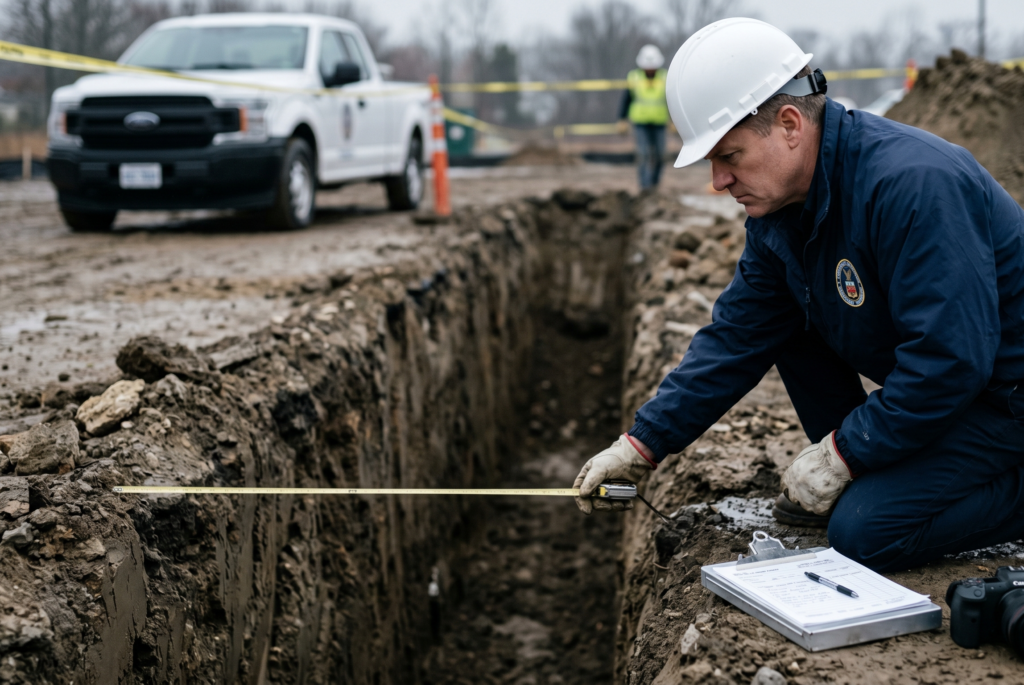
    A trench collapse is one of the few construction accidents that can turn fatal in seconds. A single cubic yard of soil weighs as much as a small car, and when a wall gives way, it does not bury a worker gradually — it crushes the chest and traps the body before anyone can react. For those who survive, the injuries are often severe: crushed limbs, spinal damage, internal trauma, and long recoveries that drain both savings and hope.

    What many injured workers are never told is that trench collapses are rarely true accidents. They are almost always the result of a known, preventable safety failure — and that distinction can dramatically change what a recovery looks like.

    Why a Trench Collapse Is Almost Never “Just an Accident”

    Excavation safety is not a gray area. The hazards of unprotected trenches have been understood for decades, and the rules meant to prevent collapses are among the most specific in all of construction. When a wall caves in, it generally means a required protection was missing — not that fate intervened.

    Federal standards generally require a protective system in any trench five feet deep or greater, and they require that a “competent person” inspect the excavation before workers enter and after any change in conditions, such as rain or vibration. When those steps are skipped to save time or money, the collapse that follows is the predictable result of a choice.

    The point most workers miss: A trench collapse usually points to a documented safety violation. That violation does not just explain the accident — it can become the single most powerful piece of evidence in pursuing full compensation.

    The OSHA Standards That Should Have Protected You

    Excavation safety generally rests on three recognized methods of protecting workers from a cave-in. Standard guidelines suggest that at least one of these must be in place once a trench reaches the regulated depth:

    • Sloping or benching — cutting the trench walls back at an angle so the soil cannot shear off and fall inward.
    • Shoring — installing hydraulic or timber supports that brace the walls and hold them in place.
    • Shielding — placing a protective “trench box” around workers so a collapse cannot reach them.

    Alongside protection systems, the standards address safe access, spoil pile placement (keeping excavated dirt back from the edge), and daily inspections. You can review the official federal excavation and trenching requirements directly through the U.S. Occupational Safety and Health Administration (OSHA), which publishes the standards responsible contractors are expected to follow.

    Common Trench HazardWhat the Standard Generally Expects
    Trench 5 ft or deeper, no protectionSloping, shoring, or a trench box required
    No safe way in or outLadder or ramp within 25 ft of workers
    Dirt piled at the trench edgeSpoil kept back at least 2 ft from the edge
    No inspection after rainCompetent person re-inspects before re-entry
    Standing water in the trenchSpecial precautions or removal before entry

    How an OSHA Violation Strengthens Your Claim

    Workers’ compensation is a no-fault system, which means you generally do not have to prove anyone was negligent to receive benefits. So why does an OSHA violation matter so much? Because a serious trench collapse often involves more than one path to recovery, and a documented violation can shape both.

    On most excavation sites, your direct employer is only one of several companies present. A trench may involve a general contractor, an excavation subcontractor, an engineering firm, or an equipment supplier. When a company other than your employer contributed to the cave-in, a separate claim — often called a third-party claim — may exist outside the comp system. Unlike comp, that claim is based on fault, and a clear safety violation is exactly the kind of fault it turns on.

    Insurer tactic to watch for: After a collapse, the trench is often backfilled and repaired within days, sometimes before any independent measurement of its depth or soil type is taken. Once the trench is gone, proving how it failed becomes far harder. Attorneys often emphasize how decisive those first days can be for preserving the evidence.

    What Maximum Compensation Can Actually Include

    For a catastrophic injury, the difference between standard comp benefits and full compensation can be enormous. Workers’ comp generally covers medical treatment and a portion of lost wages, but it typically does not pay for the full human cost of being crushed in a trench. Standard guidelines suggest that a complete recovery picture may involve several layers:

    1. Medical coverage for emergency care, surgeries, rehabilitation, and future treatment related to the injury.
    2. Wage replacement while you are unable to work, though comp usually pays only a percentage of your lost earnings.
    3. Permanent disability benefits when a trench injury causes lasting impairment.
    4. Third-party damages, which may reach full lost earnings and pain and suffering when a separate company’s negligence is shown.

    Because these layers interact, the value comp leaves on the table is often exactly what a third-party claim is built to recover. For a broader walkthrough of how a construction injury moves from the first report to a full resolution, our complete workers’ compensation guide explains each stage in plain language.

    Deadlines and State Rules That Change Everything

    This is where strong claims quietly disappear. A workers’ comp claim and a third-party negligence claim run on completely different clocks. The deadline to report a comp injury may be measured in days, while the deadline to file a negligence claim — the statute of limitations — is generally measured in years, but varies dramatically from one state to the next.

    State laws vary significantly. Reporting windows, statutes of limitations, and the rules on shared fault all change from state to state. In some states, any fault assigned to the worker can reduce recovery; in others, the rules are far more forgiving. Standard guidelines suggest confirming the specific deadlines that apply where the injury occurred, because a missed window generally cannot be reopened.

    There is also the matter of the comp “lien.” When a third-party claim succeeds, the workers’ comp insurer that already paid benefits may be entitled to repayment from that recovery. How this affects your net result is highly state-specific, which is one reason these claims are usually evaluated together rather than separately.

    Remember: A trench collapse can open two doors, not one. Workers’ comp addresses the immediate medical and wage support, while a third-party claim may address everything comp leaves behind. The safety violation that caused the cave-in often sits at the center of both, and state laws vary significantly.

    See What Your Claim May Truly Be Worth

    A trench collapse can leave you facing surgeries, lost income, and a recovery that comp checks barely touch — while the possibility of a larger claim built on a clear OSHA violation goes completely unexamined. Before you assume workers’ comp is the end of the story, it helps to understand the potential value and direction of your situation. Try the free, anonymous Benefits Estimator at HardHat Rights to get a clearer picture in minutes, with no names and no pressure. Start your free Benefits Estimator here and find out what your next step could look like.
  • Scaffolding Falls: Determining Liability Beyond Standard Workers’ Comp


    Scaffolding Falls: Determining Liability Beyond Standard Workers’ Comp

    A fall from scaffolding is rarely a simple accident. For a construction worker, it can mean months of surgery, lost income, and a recovery that never quite reaches one hundred percent. Most injured workers are told the same thing in the first week: “File your workers’ comp claim, and that’s that.” What many are never told is that a scaffolding fall is one of the few construction injuries where a second, far larger source of recovery may exist alongside workers’ compensation.

    Understanding the difference between these two paths is not a technicality. It can be the difference between covering your medical bills and recovering for the full scope of what the injury actually cost you.

    Why Workers’ Comp Alone Often Falls Short

    Workers’ compensation is designed as a trade-off. In exchange for guaranteed benefits regardless of fault, the system generally limits what an injured worker can recover from their direct employer. In most states, comp benefits cover medical treatment and a portion of lost wages, but they typically do not pay for full lost earnings, pain and suffering, or the long-term human cost of a serious fall.

    For a minor injury, that trade-off can be reasonable. For a multi-story scaffolding fall involving spinal damage, traumatic brain injury, or permanent disability, the gap between what comp pays and what the injury truly costs can be enormous.

    The point most workers miss: Workers’ comp generally bars you from suing your own employer. It does not automatically bar a claim against a different company whose negligence contributed to the fall. That distinction is the entire foundation of third-party liability.

    The Concept of Third-Party Liability

    On a typical construction site, your employer is only one of many companies present. A scaffolding fall may involve a general contractor, a scaffold rental company, an equipment manufacturer, a property owner, or an entirely separate subcontractor. When the negligence of one of these third parties contributes to a fall, a separate legal claim may exist that lives outside the workers’ comp system.

    Unlike a comp claim, a third-party claim is generally based on fault and can seek the full range of damages. Attorneys often describe these two paths as running on parallel tracks: one provides immediate, no-fault benefits, while the other pursues the broader losses comp leaves behind.

    FactorWorkers’ Comp ClaimThird-Party Liability Claim
    Who it targetsYour direct employer’s insurerA separate at-fault company
    Fault requiredNo — benefits are no-faultYes — negligence must be shown
    Lost wagesUsually a partial percentagePotentially full lost earnings
    Pain and sufferingGenerally not availableOften recoverable
    Typical timelineBenefits begin relatively quicklyLonger, litigation-driven process

    Who May Share Liability in a Scaffolding Fall

    Determining liability beyond comp begins with mapping every party whose decisions touched the scaffold. Standard guidelines suggest that responsibility for scaffold safety is frequently shared across multiple companies, not concentrated in one. Parties that often come under review include:

    • The general contractor, which generally holds broad responsibility for overall site safety and coordination.
    • The scaffold erection or rental company, if the structure was assembled, inspected, or maintained improperly.
    • The equipment manufacturer, when a defective plank, coupler, guardrail, or component fails under normal use.
    • The property owner, in certain situations involving known hazards or unsafe premises.
    • Another subcontractor, whose crew created a dangerous condition near or on the scaffold.

    The Role of Safety Standards in Proving Negligence

    Liability claims rarely turn on opinion alone. They are often built on whether a recognized safety standard was violated. Scaffolding is one of the most heavily regulated areas of construction precisely because falls from height are so often catastrophic, and federal standards set clear expectations for guardrails, planking, capacity, and inspection.

    When a scaffold lacked required fall protection, was overloaded, or was never properly inspected, that violation can become powerful evidence of negligence in a third-party claim. You can review the official federal scaffolding requirements directly through the U.S. Occupational Safety and Health Administration (OSHA), which publishes the standards that responsible contractors are expected to follow.

    Insurer tactic to watch for: After a serious fall, insurers and contractors sometimes move quickly to repair, dismantle, or “clean up” the scaffold before the condition is documented. Once that evidence is gone, proving how the structure failed becomes far harder. Attorneys often emphasize how decisive those first days can be.

    How Deadlines and State Rules Change Everything

    This is where many strong claims quietly die. A workers’ comp claim and a third-party lawsuit are governed by completely different clocks. The deadline to report a comp injury may be measured in days, while the deadline to file a third-party negligence claim — known as the statute of limitations — is generally measured in years, but varies dramatically from state to state.

    State laws vary significantly. The time limits, the rules on shared fault, and even which parties can be sued change from one state to the next. In some states, a portion of fault assigned to the worker can reduce or eliminate recovery; in others, the rules are far more forgiving. Standard guidelines suggest confirming the specific deadlines that apply where the injury occurred, because a missed window generally cannot be reopened.

    There is also the matter of the comp “lien.” When a third-party claim succeeds, the workers’ comp insurer that already paid benefits may be entitled to repayment from that recovery. How this interacts with your net result is highly state-specific and is one reason these two claims are usually evaluated together rather than separately.

    Approaches Injured Workers Commonly Consider

    While nothing here is legal or medical advice, the following reflects how serious scaffolding falls are generally navigated. Attorneys often recommend treating documentation as the foundation of both claims:

    1. Preserving the scene. Photographs of the scaffold, the failure point, and the surrounding area are often the most valuable evidence, especially before anything is repaired.
    2. Identifying every company on site. Because liability is frequently shared, knowing which firms were present helps reveal whether a third-party claim exists at all.
    3. Keeping the two claims aligned. Statements made in a comp claim can affect a third-party case, so consistency across both is generally considered important.
    4. Acting within the deadlines. Because the clocks differ and state rules vary, understanding local time limits early is widely regarded as essential.

    For a broader walkthrough of how a construction injury moves from the first report to a full resolution, our complete workers’ compensation guide explains each stage in plain language.

    Remember: A scaffolding fall can open two doors, not one. Workers’ comp addresses the immediate medical and wage support, while a third-party claim may address everything comp leaves on the table. State laws vary significantly, and the specifics of your jobsite always matter.

    See What Your Claim May Truly Be Worth

    A scaffolding fall can leave you facing mounting bills while a comp check covers only a fraction of what you lost — and the possibility of a larger third-party claim often goes completely unexamined. Before you assume workers’ comp is the end of the story, it helps to understand the potential value and direction of your situation. Try the free, anonymous Benefits Estimator at HardHat Rights to get a clearer picture in minutes, with no names and no pressure. Start your free Benefits Estimator here and find out what your next step could look like.

  • Maximum Medical Improvement (MMI): What It Means for Your Payout


    Maximum Medical Improvement (MMI): What It Means for Your Payout

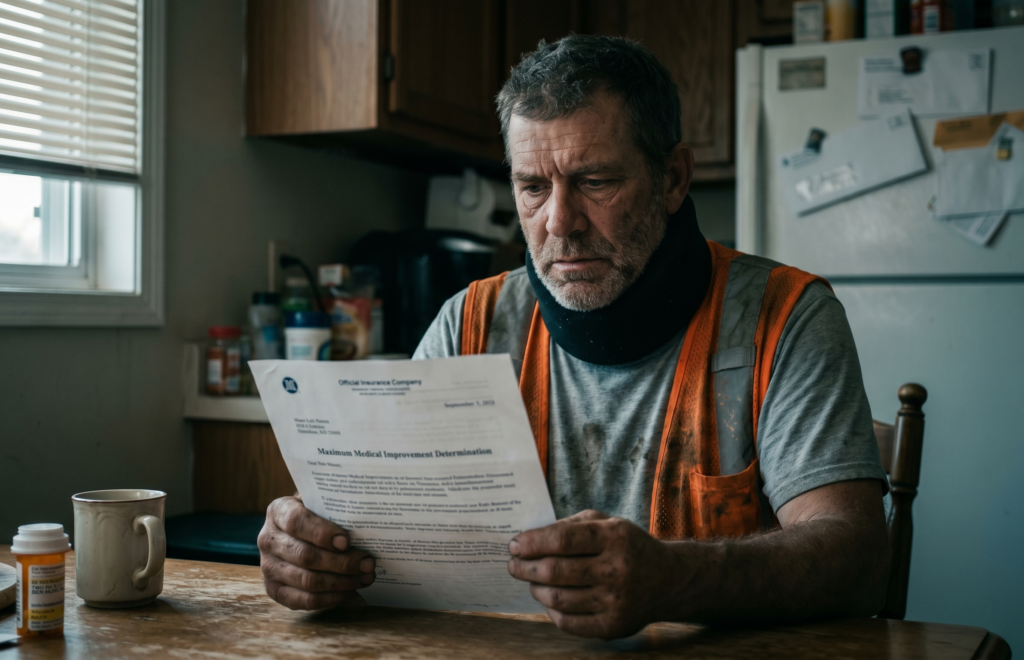
    Few phrases change a workers’ compensation claim as quietly — or as completely — as Maximum Medical Improvement, usually shortened to MMI. It is the moment a doctor decides an injury has healed about as much as it ever will. For an injured construction worker, that single determination can shut off weekly checks, trigger the final settlement calculation, and set the value of a permanent injury for life.

    Many workers first hear the term in a letter or a brief exam, with little explanation of how much rides on it. This article breaks down what MMI actually means, how it generally affects the money in a claim, and the points where the timing of an MMI declaration is most often used against the person who got hurt.

    What Maximum Medical Improvement Really Means

    MMI does not mean a worker is fully recovered or pain-free. It means the medical condition has reached a plateau — the point where, in the treating physician’s judgment, further treatment is unlikely to produce significant improvement. A back may still ache, a shoulder may still be weak, but the doctor believes it has stabilized.

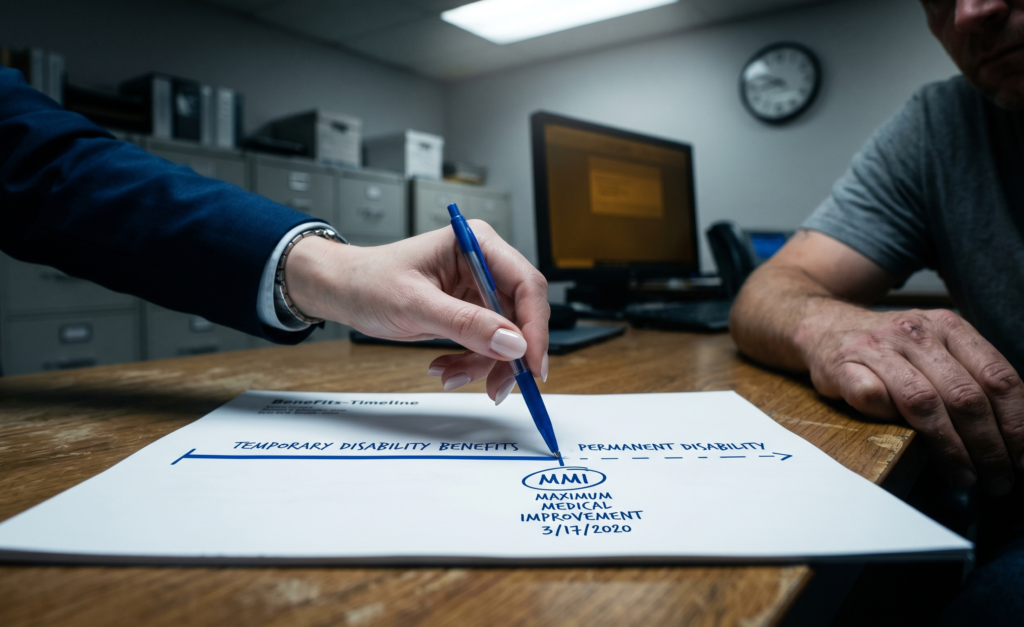
    Generally, in many states, reaching MMI is treated as a turning point rather than an ending. Before MMI, the focus is on healing and temporary benefits. After MMI, the focus shifts to measuring what is permanent and deciding what that permanent loss is worth.

    Key distinction: “Maximum Medical Improvement” describes the condition, not the person’s ability to return to the same trade. A worker can be at MMI and still be permanently unable to swing a hammer, climb scaffolding, or lift the way the job demands.

    Why MMI Controls the Size of Your Payout

    MMI matters because so many of the numbers in a claim are calculated from it. Until a worker is declared at MMI, the full extent of the permanent injury is considered unknown. Once MMI is reached, the machinery of valuation starts:

    1. The worker is declared at Maximum Medical Improvement.
    2. A physician assigns an impairment rating — the percentage that measures lasting damage.
    3. That percentage feeds the calculation for permanent disability benefits.
    4. The insurer often uses these figures as the basis for a settlement offer.

    For a closer look at how the impairment percentage itself is built and disputed, our complete guide to construction injury benefits walks through each stage in plain language.

    How MMI Changes Your Weekly Checks

    One of the most immediate effects of MMI is on the wage-replacement checks a worker may be receiving while off the job. Standard guidelines suggest that the type of benefit frequently shifts at this milestone, which is why an MMI letter can feel like the ground moving under a claim.

    StageTypical benefitWhat usually happens
    Before MMITemporary disability (while healing)Weekly checks based on the inability to work during recovery.
    At MMIImpairment rating assignedTemporary benefits often end; permanent benefits are evaluated.
    After MMIPermanent disability or settlementPayment is based on the rated permanent loss, not ongoing recovery.

    State laws vary significantly in how this transition is handled. In some systems, temporary checks stop almost immediately once MMI is declared; in others, a worker may continue to receive certain benefits while the permanent value is sorted out. The label on the benefit can matter as much as the dollar figure.

    The MMI Timing Trick Insurers Watch For

    Because MMI flips the switch from open-ended temporary benefits to a fixed, ratable number, the timing of an MMI declaration carries real financial weight — and it is a pressure point that does not always favor the worker.

    Insurer tactic to watch for: A carrier may rely on a brief, one-time exam by a physician it selects to declare a worker at MMI earlier than the treating doctor would. An early MMI can cut off weekly checks and lock in a lower impairment rating before the body has truly stabilized. Attorneys often recommend comparing the insurer’s opinion against the treating physician’s before treating “MMI” as final.

    Other timing-related pressures that commonly appear around MMI include:

    • An MMI declaration arriving while symptoms are still changing, locking in a rating that may understate the injury.
    • Pending treatment — such as a recommended surgery or therapy — being brushed aside so the claim can be closed sooner.
    • A settlement offer presented as a limited-time opportunity immediately after MMI, before the worker understands the permanent value.
    • Secondary injuries, like a shoulder strained while compensating for a bad knee, never being evaluated at all before the MMI date is set.

    What Workers Often Do When MMI Feels Premature

    There is no single correct response, and the right path depends heavily on the state. That said, attorneys often recommend a measured approach rather than accepting an MMI declaration at face value:

    • Requesting a copy of the full medical report that supports the MMI finding and the reasoning behind it.
    • Asking the treating physician — the doctor who has followed the injury over time — whether they agree the condition has truly stabilized.
    • Confirming that all recommended treatment has been considered before the claim is treated as closed.
    • Checking whether the state allows a second opinion or independent evaluation when the MMI date or rating is disputed.

    Public agencies publish a great deal of free, neutral background that helps workers understand their footing. The federal OSHA Workers’ Rights resource is one authoritative starting point for the protections that apply on a jobsite, and most state workers’ compensation boards publish their own rules on MMI, ratings, and how to challenge them.

    The State-by-State Reality

    It cannot be stressed enough: there is no national MMI standard. State laws vary significantly regarding when MMI can be declared, which doctor’s opinion controls, how quickly temporary benefits end afterward, and the deadlines to dispute the finding. In some states that window to object is measured in weeks, not months, and letting it pass can cement an early MMI — and the lower payout that follows it — permanently.

    Nothing here is legal or medical advice; it is general, informational background meant to help an injured worker ask sharper questions before a single date on a medical form decides the value of the entire claim.

    See What Your Injury May Be Worth at MMI

    Before accepting an MMI declaration or any settlement built on it, it helps to have an independent sense of where the numbers should realistically land. HardHat Rights offers a free, anonymous Benefits Estimator that walks through the same impairment and wage drivers insurers use, without asking for your name or signing you up for anything.

    Try the free, anonymous Benefits Estimator at HardHat Rights to see how your permanent injury compares to what a serious construction claim is typically worth — and decide on MMI informed instead of rushed.

  • What Happens to Your Workers’ Comp if the Construction Company Goes Bankrupt?


    What Happens to Your Workers’ Comp if the Construction Company Goes Bankrupt?

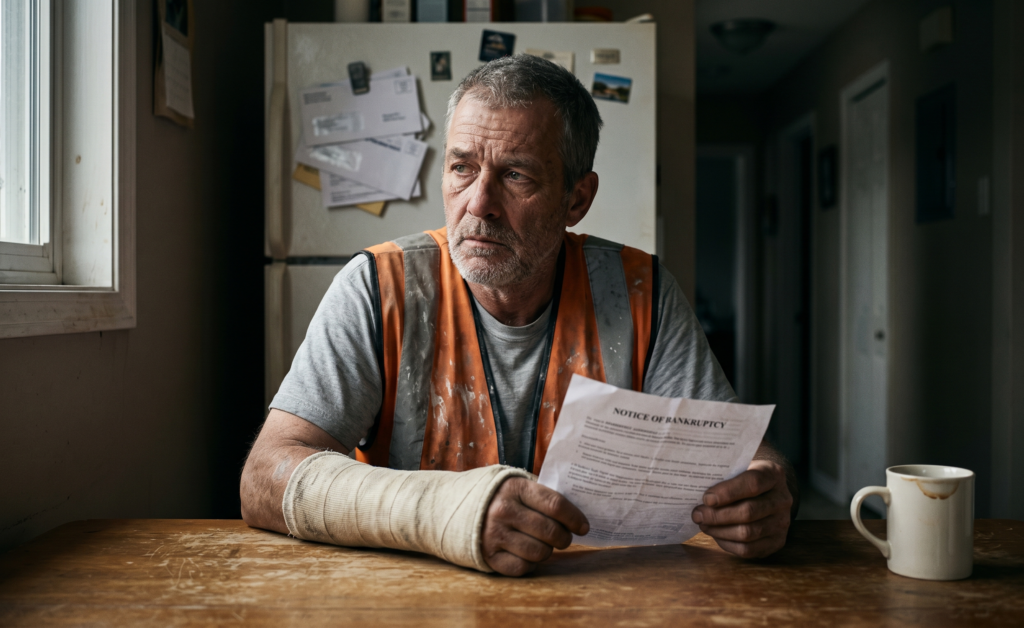
    You were hurt on the jobsite, your claim was moving along, and then the news hits: the construction company you worked for is shutting down or filing for bankruptcy. Suddenly the checks that were covering your bills feel like they are hanging by a thread. For an injured worker, this is a uniquely terrifying moment, because it feels like the one entity responsible for your recovery is about to vanish. The fear is understandable, but the reality is often very different from what it looks like on the surface.

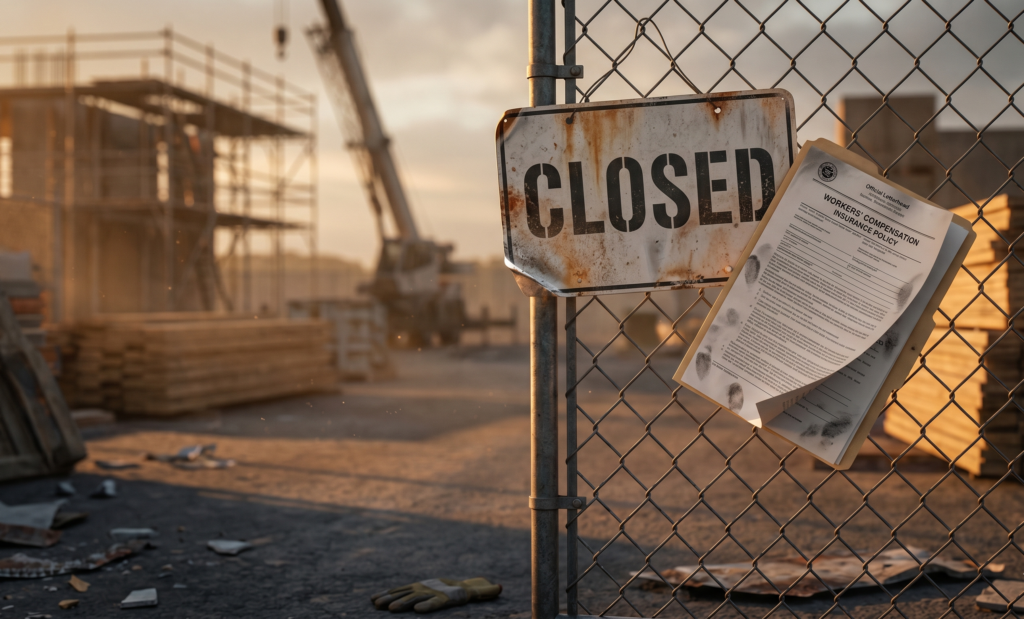
    Here is the single most important thing few workers are told up front: in most cases, your workers’ compensation benefits are not paid by your employer’s bank account. They are paid by an insurance policy. That distinction changes almost everything about what a bankruptcy actually means for your claim.

    Your Employer and Their Insurer Are Two Different Things

    The reason this matters so much comes down to who is legally on the hook. When a company goes under, people assume the obligation to pay benefits disappears with it. But workers’ compensation is built on a layer of protection that usually sits outside the company itself.

    • The employer is the business that hired you. It can close, liquidate, or file for bankruptcy.
    • The insurance carrier is a separate company that issued the workers’ comp policy and actually pays the benefits.
    • The state safety net is a backstop that may exist for situations where coverage fails entirely.

    Key distinction: A bankrupt employer does not automatically mean a bankrupt claim. As long as a valid workers’ compensation policy was in force on the date of your injury, that insurer generally remains responsible for your benefits, regardless of what happens to the company that hired you.

    The Three Scenarios That Decide What Happens Next

    What a bankruptcy means for your benefits depends almost entirely on how the company was covered when you got hurt. Generally, in many states, the situation falls into one of three categories.

    ScenarioWhat Typically Happens to Your BenefitsWhat to Watch For
    Employer had a standard insurance policyThe insurance carrier generally keeps paying your benefits even after the business closes.Your point of contact may change, but the claim usually continues.
    Employer was self-insuredA self-insured company pays claims from its own funds, so a bankruptcy can directly threaten payments.Many states require a security deposit or bond to protect these workers.
    Employer was uninsured (illegally)A state-run uninsured employer fund may step in where no coverage existed at all.These funds often have strict filing rules and limited benefits.

    The most common situation by far is the first one. Most construction companies are legally required to carry workers’ compensation insurance, and that policy is a contract between the insurer and the state, not something that dissolves when the business closes its doors.

    Insurer tactic to watch for: Some workers are quietly told, or simply allowed to assume, that their benefits ended because “the company is gone.” Attorneys often describe this as one of the easiest ways an injured worker gets pushed off a valid claim, simply by giving up on payments that were never actually canceled.

    Where the State Safety Net Comes In

    The scenarios that frighten workers most are the self-insured and uninsured ones, where there may be no healthy insurance carrier standing behind the claim. This is exactly where many states have built backup systems. Standard guidelines suggest these protections commonly include:

    1. Guaranty associations. If an insurance company itself becomes insolvent, a state guaranty fund may take over paying outstanding claims up to certain limits.
    2. Security deposits for self-insurers. States that allow large companies to self-insure often require them to post a bond or deposit that can cover injured workers if the company fails.
    3. Uninsured employer funds. When a company illegally carried no coverage at all, a special state fund may provide benefits to the injured worker.

    These systems exist precisely because lawmakers understood that a worker’s recovery should not depend on whether a private business stays in operation. The protections are real, but they are also highly specific to each state, and they often come with their own deadlines and paperwork.

    Deadlines matter. State laws vary significantly regarding how a claim is transferred when an employer or insurer fails, which fund applies, and how quickly you must file against it. In some states these windows are measured in days or weeks. A bankruptcy notice from the company is not a reason to pause your claim, and treating it as a stopping point can cause far more harm than the bankruptcy itself.

    Why Filing Keeps Going Even During Bankruptcy

    A company’s bankruptcy case and your workers’ compensation claim usually run on two separate tracks. Workers’ comp benefits are generally treated differently from ordinary business debts, which is why an injured worker is rarely just another creditor waiting in line. Because of this separation, a claim often continues moving even while the business is being dismantled in court.

    The practical risk is not usually that benefits legally end. It is that communication breaks down. When a company closes, the people who answered your questions disappear, paperwork gets lost, and no one proactively tells you who to contact. That silence can feel like a denial even when your benefits are technically still owed.

    Approaches Injured Workers Commonly Consider

    Nothing here is legal advice, but the following reflects how a bankruptcy situation is generally navigated. The common thread is keeping your claim attached to the insurer or fund that owes it, rather than to the company that is disappearing.

    • Locate the insurance carrier’s name and policy. Generally, in many states, your claim documents, pay stubs, or the state workers’ comp board can identify who actually insured your employer.
    • Keep every benefit check stub and letter. A written record of what was being paid before the bankruptcy helps show the claim was active and valid.
    • Do not treat a closure as a denial. Standard guidelines suggest that only a formal written denial starts an appeal clock, not a company simply going out of business.
    • Identify the right state fund early. Attorneys often recommend confirming whether a guaranty association or uninsured employer fund applies before assuming there is no money behind the claim.

    While these benefit rules are set by each state rather than by federal law, official resources help establish how a work injury should be reported and protected from the start. You can review worker protections directly at the U.S. Occupational Safety and Health Administration (OSHA).

    For a step-by-step walkthrough of how a construction claim moves from the day of injury all the way to resolution, our complete workers’ compensation guide explains each stage in plain language.

    Remember: A bankrupt employer is not the same as a canceled claim. In most cases the benefits are owed by an insurance policy or a state fund that survives the company itself. State laws vary significantly, and the details of your specific situation always matter.

    Find Out Where Your Claim Really Stands

    Watching the company that hired you fall apart while you are still injured is one of the most stressful moments in the entire process, and the uncertainty alone can push workers into giving up on benefits they are still owed. Before you assume a bankruptcy ended your claim, it helps to understand the potential value and direction of your case. Try the free, anonymous Benefits Estimator at HardHat Rights to get a clearer picture of your situation in minutes, with no names and no pressure. Start your free Benefits Estimator here and take the guesswork out of what comes next.

  • Who Pays the Medical Bills While You Wait for Claim Approval?


    Who Pays the Medical Bills While You Wait for Claim Approval?

    You got hurt on the jobsite, you reported it, and now you are stuck in the worst kind of limbo: the surgery, the physical therapy, or the specialist visit you need is sitting in a “pending” status while the bills keep arriving. For an injured construction worker, this gap is one of the most frightening parts of the entire process. The treatment cannot wait, but the approval has not come through, and no one will give you a straight answer about who is actually responsible for the cost right now.

    Here is the part that few workers are told up front: in most workers’ compensation systems, an unapproved claim does not mean the bills automatically become your personal debt. Where those costs land while you wait depends heavily on the status of your claim and the rules of your state.

    The Three Stages That Decide Who Pays

    To understand who is on the hook for a bill, it helps to know which of three stages your claim is in. Each stage changes the answer dramatically.

    • Reported but not yet accepted. The claim exists in the system, but the insurer has not formally approved or denied it. This is the true “waiting” zone, and it is where most confusion lives.
    • Formally accepted. Once a claim is accepted, the insurer is generally responsible for authorized, related medical treatment, often with no copay or deductible to the worker.
    • Formally denied. A written denial shifts the picture entirely and usually starts strict appeal deadlines. This is a different situation from simply waiting.

    Key distinction: “Pending” is not the same as “denied.” A pending claim has not rejected your treatment, it simply has not approved it yet. Treating a delay as if it were a final no is one of the most common and costly mistakes injured workers make.

    So Who Actually Pays During the Wait?

    While a claim is pending, the bill does not vanish, but it also should not quietly default to you. Generally, in many states, one of a few things happens to that cost while the decision is in process:

    Who May Cover ItHow It Typically WorksWhat to Watch For
    Workers’ comp insurerSome states require the insurer to pay for treatment during an investigation window, even before final acceptance.This often applies only to authorized or emergency care.
    The medical provider (on hold)Many clinics will hold the bill, marking it pending against the comp claim rather than billing you.Providers sometimes bill the patient by mistake when the claim stalls.
    Your private health insuranceIn some situations a group health plan pays first and later seeks reimbursement once comp is settled.Plans may refuse or demand repayment, so the rules matter.
    You, out of pocketThis is the outcome workers fear most, and it is often avoidable with the right paper trail.Paying a comp-related bill yourself can complicate reimbursement later.

    The single most important factor is making sure every provider knows this is a work injury tied to an open workers’ compensation claim. When a clinic has your claim number and the insurer’s information, the bill is far more likely to be routed to the right place instead of to your mailbox.

    Insurer tactic to watch for: A stalled claim can quietly push bills toward you, and a worker who starts paying out of pocket may feel pressured to accept a fast, low settlement just to stop the bleeding. Attorneys often describe this financial squeeze as a strategy, not an accident.

    Why Bills End Up With the Wrong Person

    When a comp-related bill lands on your personal account, it is usually the result of a breakdown in communication rather than a final ruling that you owe the money. Standard guidelines suggest these are the most frequent causes:

    1. The provider was never told it was a work injury. Without a claim number on file, the billing department defaults to your name and insurance.
    2. The claim number was missing or wrong. A single typo can send a bill into the personal-collections track instead of the comp track.
    3. The insurer is investigating. During an open investigation, some bills sit unpaid until a decision is reached.
    4. A collection notice arrived automatically. Automated billing cycles often generate notices that do not reflect the actual status of your comp claim.

    A collection letter during a pending claim is alarming, but it is frequently a billing-system reflex rather than a verdict on who is responsible. Attorneys often recommend documenting every notice in writing and confirming the claim status before assuming the debt is truly yours.

    Approaches Injured Workers Commonly Consider

    Nothing here is legal or medical advice, but the following reflects how a pending-bill situation is generally navigated. The common thread is documentation and keeping the cost attached to the claim, not to you.

    • Keep every bill and notice. A written record of what arrived and when can later show that bills were mishandled during the wait.
    • Confirm providers have the claim number. Generally, in many states, a bill marked against an open comp claim is handled very differently from a personal balance.
    • Note the difference between pending and denied. Standard guidelines suggest treating a written denial as urgent, while a pending status is often something that can still be moved forward.
    • Understand your state’s rules. Some states require treatment to be covered during the investigation period, while others do not, so the local rules drive everything.

    Deadlines matter. State laws vary significantly regarding whether an insurer must pay for treatment before a claim is accepted, how long an investigation can last, and how quickly a denial must be disputed. In some states these windows are measured in days. Missing one can cause more lasting harm than the wait itself.

    While these benefit timelines are set by each state rather than by federal law, official resources help establish how a work injury should be reported and protected from the start. You can review worker protections directly at the U.S. Occupational Safety and Health Administration (OSHA).

    For a step-by-step walkthrough of how a construction claim moves from the day of injury all the way to resolution, our complete workers’ compensation guide explains each stage in plain language.

    Remember: A pending claim is not a bill you have automatically inherited. Keeping every cost tied to your open claim is one of the strongest forms of protection while you wait. State laws vary significantly, and the details of your specific situation always matter.

    See Where Your Claim Really Stands

    Watching bills pile up while your claim sits in “pending” is exhausting, and the uncertainty alone can push workers into decisions they later regret. Before you assume those costs are yours to carry, it helps to understand the potential value and direction of your claim. Try the free, anonymous Benefits Estimator at HardHat Rights to get a clearer picture of your situation in minutes, with no names and no pressure. Start your free Benefits Estimator here and take the guesswork out of what comes next.

  • Cash Pay and “Under the Table” Work: How It Affects Your Injury Claim


    Cash Pay and “Under the Table” Work: How It Affects Your Injury Claim

    You were getting paid in cash. No pay stubs, no W-2, maybe a handshake instead of a contract. Then you got hurt on the job, and now a quiet panic sets in: “Can I even file a claim if I was paid under the table?” It is one of the most common fears on a construction site, and it is exactly the fear that some employers and insurers are counting on.

    Here is the part that often gets lost in the worry: in many states, how you were paid does not automatically decide whether you are covered. Workers’ compensation generally attaches to the employment relationship and the injury itself, not to the format of your paycheck. Being paid in cash is not, by itself, the same as being uninsurable.

    Why “Cash” Does Not Always Mean “No Claim”

    There is a difference between how you were paid and whether you were an employee. Many state systems look at the reality of the working relationship, not the paperwork. If someone controlled your hours, told you what to do and how to do it, and supplied the tools or materials, a number of states would generally treat that as employment, regardless of whether taxes were withheld.

    Insurer tactic to watch for: An adjuster or employer may state flatly that “cash workers aren’t covered” or that “you were just a contractor.” This is frequently pressure, not law. Generally, in many states, misclassifying a worker to avoid coverage does not erase the worker’s rights, and it can actually create liability for the employer.

    That said, this is an area where outcomes shift sharply from one state line to the next. State laws vary significantly regarding how cash-paid and misclassified workers are treated, so the general patterns below are a starting point, not a guarantee for your specific situation.

    Employee vs. Independent Contractor: The Real Dividing Line

    The label your boss used matters far less than the facts. When a dispute arises, many states weigh a set of practical questions to decide whether you were truly an employee. The table below shows the kind of factors that are often considered.

    Factor ConsideredPoints Toward EmployeePoints Toward Contractor
    Control over the workBoss directs hours and methodsYou set your own schedule
    Tools and materialsEmployer provides themYou supply your own
    Ongoing relationshipSteady, continuing workOne-off, project-based job
    How central the work isCore part of the businessOutside the company’s main trade

    Standard guidelines suggest that no single factor decides everything. Attorneys often note that a worker who was called a “contractor” on paper can still be found to be an employee in practice, which is frequently the threshold question in a cash-pay claim.

    The Real Problem: Proving Your Wages

    The harder challenge with under-the-table work usually is not whether you were an employee, but proving how much you actually earned. Workers’ comp wage benefits are typically calculated from your average weekly wage. When there are no pay stubs, an insurer may try to value your wages as low as possible, because a lower wage number means smaller checks for you.

    Even without formal payroll records, many workers are able to assemble a credible picture of their earnings. The following are the kinds of records that are commonly considered persuasive:

    • Bank deposits. Regular cash deposits in consistent amounts can help establish a pattern of income.
    • Text messages and calls. Messages about hours, pay rates, or job assignments often show the working relationship.
    • Personal logs. A simple record of days worked, hours, and amounts received tends to carry weight when kept contemporaneously.
    • Witnesses. Coworkers or others on the crew can sometimes confirm your role and your pay.
    • Photos and timestamps. Jobsite photos can help document that you were present and working.

    Deadlines matter. State laws vary significantly regarding how quickly an injury must be reported, sometimes within just a few days. Delay caused by fear over cash pay is one of the most common reasons valid claims fall apart. Attorneys often recommend treating the reporting window as the first priority.

    What About Taxes and “Getting in Trouble”?

    A frequent worry is that filing a claim will expose unreported income and create tax problems. This is a real and understandable concern, and it is one of the strongest reasons workers stay silent. It is worth knowing that the workers’ compensation system and the tax system are generally administered by different agencies, and a comp claim is fundamentally about an on-the-job injury, not a tax audit.

    Because the tax side can carry genuine consequences, this is an area where the details of your state and your situation truly matter. Federal workplace-safety protections, however, apply to workers on a jobsite regardless of how they are paid, including the right to a safe environment and to report hazards without retaliation. You can review those federal protections directly at the U.S. Occupational Safety and Health Administration (OSHA).

    How Silence Becomes the Insurer’s Best Friend

    The structural problem is simple. A cash-paid worker who is afraid of taxes, status, or “getting the boss in trouble” is a worker who does not report, does not file, and does not push back on a denial. Silence costs the insurance company nothing. A few patterns tend to repeat:

    1. The off-the-books offer. A small cash sum may be presented as a favor, in exchange for never filing a formal claim.
    2. The contractor label. Suddenly you are called “self-employed,” even though nothing about your daily work changed.
    3. The lowball wage. With no stubs to argue from, your average weekly wage is set as low as the insurer thinks it can get away with.
    4. Counting on no follow-up. The whole approach assumes you will not gather records or challenge the classification.

    Approaches Injured Cash Workers Commonly Consider

    While nothing here is legal advice, the following reflects how this situation is generally navigated. Standard guidelines suggest that documentation is the single most powerful form of protection a cash-paid worker has:

    • Reporting the injury promptly. A clear, early record of how and when the injury happened tends to protect the claim before any wage dispute begins.
    • Gathering wage evidence early. Bank records, messages, and witness names are often easiest to collect right after the injury, not months later.
    • Understanding state-specific rules. Because outcomes differ so sharply, knowing how your state treats cash and misclassified workers is generally considered essential.
    • Consulting confidentially. Attorneys often offer free initial consultations and can explain how the wage and tax questions interact in your particular state.

    For a broader walkthrough of how a construction claim moves from injury to resolution, our complete workers’ compensation guide breaks down each stage in plain language.

    Remember: An injury that happened while you were working is, in many states, an injury the system was built to address. State laws vary significantly, and the specifics of your pay and your situation always matter, but being paid in cash is not, by itself, a legal disqualification.

    See What Your Claim May Be Worth Without Giving Your Name

    If you were paid under the table, the idea of “filing” anything can feel risky. That is exactly why it helps to understand the potential value and direction of your claim before you decide anything. Try the free, anonymous Benefits Estimator at HardHat Rights to get a clearer picture in minutes, with no names, no pay stubs, and no pressure. Start your free Benefits Estimator here and take the guesswork out of what comes next.

  • Undocumented Workers’ Rights: Can You Get Workers’ Comp Without Legal Status?


    Undocumented Workers’ Rights: Can You Get Workers’ Comp Without Legal Status?

    It is one of the most frightening questions an injured construction worker can ask, and it is often asked in a whisper: “If I file a claim, will they come for me?” The fear is real, and insurance companies know it. That fear is sometimes the most powerful tool they have to make a legitimate injury simply disappear.

    Here is the part many workers are never told: in a large number of states, your immigration status does not automatically erase your right to workers’ compensation for an injury that happened on the job. The protection generally attaches to the work itself, not to a document.

    Why Status and the Injury Are Treated Separately

    Workers’ compensation exists to cover medical bills and lost wages when someone is hurt performing their job. Many state systems define an “employee” broadly, and a number of state courts have concluded that the definition can include workers regardless of documentation. The reasoning is practical: if employers could injure undocumented workers without consequence, there would be a powerful incentive to hire them precisely because they are easier to exploit.

    Insurer tactic to watch for: A claims adjuster may hint that filing will “trigger immigration” or that you are “not eligible.” This is frequently pressure, not law. Generally, in many states, the compensation system and the immigration system operate on entirely separate tracks.

    That said, this is an area where the ground shifts dramatically from one state line to the next. State laws vary significantly regarding which benefits an undocumented worker can actually collect, and some categories of benefits are treated differently than others.

    What Benefits May and May Not Be Available

    Even in worker-friendly states, undocumented status can affect which benefits flow, especially those tied to returning to work. The table below shows the general pattern attorneys often describe, but the specifics depend entirely on your state.

    Benefit TypeWhat It CoversGeneral Availability
    Medical treatmentDoctor visits, surgery, therapyOften available in many states
    Temporary disabilityPartial wages while you healFrequently available
    Permanent disabilityLasting impairment paymentsVaries widely by state
    Vocational retrainingJob retraining programsOften limited or denied

    The retraining gap is common because such programs assume the worker can be legally re-employed. Standard guidelines suggest this is one of the most contested areas, and it is frequently where insurers concentrate their fight.


    The “Immigration Threat” and What the Law Often Says

    One of the most damaging tactics is the implied threat: cooperate quietly, or your status becomes a problem. It is worth knowing that, in many jurisdictions, retaliating against a worker for filing a compensation claim is itself prohibited. Some states treat threats tied to immigration status as a serious violation.

    Federal workplace-safety standards also protect all workers on a jobsite, regardless of immigration status, including the right to a safe environment and to report hazards. You can review those federal protections directly at the U.S. Occupational Safety and Health Administration (OSHA).

    Deadlines matter. State laws vary significantly regarding how quickly an injury must be reported, sometimes within days. Fear-driven delay is one of the most common reasons valid claims collapse. Attorneys often recommend treating the reporting window as the first priority, separate from any worry about status.

    How Fear Quietly Becomes the Insurer’s Strategy

    The structural problem is simple. An undocumented worker who is afraid to speak is a worker who does not file, does not appeal, and does not push back on a lowball offer. Silence is inexpensive for the insurance company. Several patterns tend to appear:

    1. Discouraging the first report. A supervisor may suggest handling the injury “off the books” to avoid paperwork.
    2. Quick cash offers. A small sum may be presented as a favor, in exchange for never filing a formal claim.
    3. Status as leverage. Vague references to “checking documents” can appear right after a worker mentions a lawyer.
    4. Counting on no follow-up. The system assumes an undocumented worker will not navigate appeals or hearings alone.

    Approaches Injured Workers Commonly Consider

    While nothing here is legal advice, the following reflects how this situation is generally navigated. Standard guidelines suggest that information and documentation are the strongest forms of protection:

    • Documenting the injury early. A clear record of how and when the injury happened tends to protect the claim no matter what later disputes arise.
    • Understanding state-specific rules. Because outcomes differ so sharply, knowing how your particular state treats undocumented claims is often considered essential.
    • Consulting confidentially. Attorneys often note that an initial consultation about a comp claim does not require sharing status with immigration authorities.
    • Separating two systems. Many advocates remind workers that a compensation claim and an immigration case are generally handled by completely different agencies.

    For a broader walkthrough of how a construction claim moves from injury to resolution, our complete workers’ compensation guide breaks down each stage in plain language.

    Remember: An injury that happened while you were working is, in many states, an injury the system was built to address. State laws vary significantly, and the specifics of your situation always matter, but fear alone is not a legal disqualification.

    See Where You Stand Without Giving Your Name

    If status is part of your worry, the idea of “filing” anything can feel dangerous. That is exactly why it helps to understand the potential value and direction of your claim before you decide anything. Try the free, anonymous Benefits Estimator at HardHat Rights to get a clearer picture in minutes, with no names, no documents, and no pressure. Start your free Benefits Estimator here and take the guesswork out of what comes next.

  • Lump Sum vs. Structured Settlements: Which Is Better for Your Future?


    Lump Sum vs. Structured Settlements: Which Is Better for Your Future?

    When a workers’ compensation claim moves toward resolution, an injured construction worker is often handed a choice that will shape their finances for years: take the money as one large lump sum, or accept a structured settlement that pays out over time. Both close the claim. But they protect — and expose — a worker in very different ways, and the carrier rarely explains the trade-offs in plain terms.

    This article breaks down how each option actually works, who tends to benefit from each, and the quiet details that can turn a fair-looking number into a regret.

    What a Lump Sum Settlement Really Means

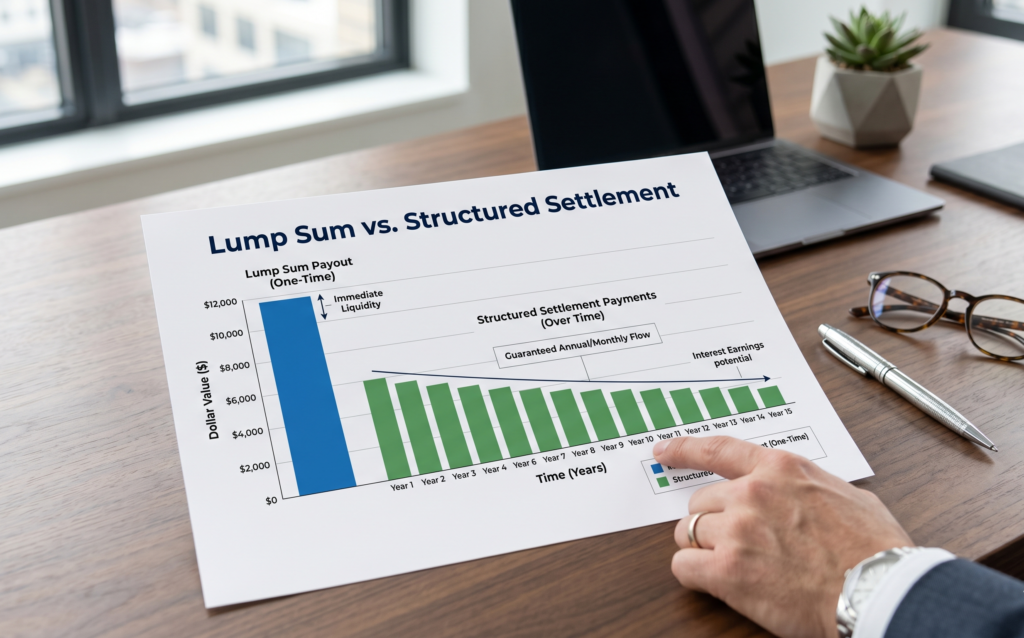
    A lump sum settlement is a single, one-time payment that closes the claim. In exchange for that check, a worker generally gives up the right to come back for more money later — and, in many agreements, the right to future medical care tied to the injury.

    Generally, in many states, a lump sum is attractive for clear reasons:

    • Immediate access to the full amount, useful for paying down debt that piled up while wages stopped.
    • Control over how and when the money is used or invested.
    • A clean break from the insurance carrier, with no ongoing claim to manage or defend.

    The risk lives in that same freedom. A lump sum has to last as long as the consequences of the injury do — sometimes a lifetime — and once it is spent, there is usually no going back to the carrier for more.

    Insurer trick to watch for: A lump sum is sometimes presented as the “simple” option precisely because it lets the carrier close the file and erase future medical exposure in one move. Attorneys often recommend asking, in writing, whether the lump sum closes future medical benefits — because that single clause can be worth more than the check itself.

    What a Structured Settlement Really Means

    A structured settlement replaces one large payment with a stream of guaranteed payments over a set period — monthly, quarterly, annually, or in scheduled larger installments. It is typically funded through an annuity purchased from an insurance company.

    Standard guidelines suggest structured payments tend to favor workers who need long-term stability:

    • Predictable income that replaces lost wages on a steady schedule.
    • Protection from overspending, since the money cannot all disappear at once.
    • Potential tax advantages, as qualifying workers’ comp settlement payments are often treated favorably — though rules vary and a tax professional should confirm any specific situation.

    The trade-off is flexibility. A structured plan is difficult to change once signed, and it may not provide enough cash up front for a large, immediate need — a home modification, a vehicle, or clearing high-interest debt.

    Lump Sum vs. Structured: A Side-by-Side Look

    FactorLump SumStructured Settlement
    Access to moneyAll at once, immediatelySpread out on a fixed schedule
    Risk of running outHigher — depends on disciplineLower — payments are guaranteed
    Flexibility to change laterFull control after payoutVery limited once signed
    Best suited forLarge immediate needs, debt payoffLong-term living expenses, lasting injuries
    Future medical careOften closed out — read carefullyMay be structured separately

    Which One Fits Which Worker?

    There is no universally “better” option — only the option that fits a specific injury, family situation, and state. Generally, in many states, the decision tends to turn on a few honest questions:

    1. How permanent is the injury? A lasting impairment that limits future earning often pairs better with steady, long-term payments.
    2. What does the next year demand? Urgent debt or a major one-time cost may call for cash up front.
    3. How comfortable is the worker managing a large sum? A structure removes the pressure of stretching a single check across decades.
    4. Is future medical care still likely? Closing that door for a lump sum can be the most expensive part of the deal.

    Deadline warning: State laws vary significantly regarding settlement approval, revocation windows, and how future medical benefits may be closed. In some states a worker has only days to reconsider a signed agreement; in others, a judge must approve the terms first. Because a finalized settlement is generally very difficult to undo, attorneys often recommend confirming every applicable deadline and approval step before agreeing to a structure or a lump sum.

    The Hybrid Option Many Workers Overlook

    The choice is not always all-or-nothing. Standard guidelines suggest that many settlements can be split — a partial lump sum to cover immediate debts and pressing needs, with the remainder structured into guaranteed payments for long-term stability. This hybrid approach can capture the strengths of both while softening the weaknesses of each.

    For a broader walk-through of how settlement decisions fit into the wider claims process, our complete guide to construction injury benefits covers each stage in plain language.

    Where Official Information Fits In

    Settlement pressure often relies on the assumption that a worker doesn’t fully understand their rights or the long-term cost of their injury. Public agencies publish a great deal of free, neutral information. The U.S. Department of Labor’s Workers’ Compensation resource is one authoritative starting point for understanding how these programs are structured.

    Pairing that public information with your own medical records and a clear sense of your future needs creates a far stronger foundation than relying on the carrier’s framing alone.

    How Workers Typically Approach the Decision

    There is no single correct answer, and the right path depends heavily on the injury and the state. That said, attorneys often recommend a measured rather than rushed approach:

    • Requesting the full settlement terms in writing, including any language about future medical care.
    • Mapping out realistic long-term costs before deciding how much cash is truly needed up front.
    • Understanding how the local state system treats settlement taxes and approval before signing.
    • Considering whether a hybrid split serves the family better than either extreme.

    State laws vary significantly, and a strategy that fits a worker in one state may be entirely wrong in another. Nothing here is legal or financial advice; it is general, informational background to help an injured worker ask better questions.

    See What Your Claim May Actually Be Worth First

    Before choosing between a lump sum and a structure, it helps to have an independent sense of the range your claim might fall into. HardHat Rights offers a free, anonymous Benefits Estimator that walks through the same value drivers insurers use — medical costs, lost wages, and impairment — without asking for your name or signing you up for anything.

    Try the free, anonymous Benefits Estimator at HardHat Rights to see how a settlement offer compares to your real long-term needs — and walk into the lump sum versus structured decision informed instead of pressured.