Category: Maximizing Your Compensation

  • Personal Injury and Workers’ Comp: How the Two Claims Combine for Total Recovery


    Personal Injury and Workers’ Comp: How the Two Claims Combine for Total Recovery

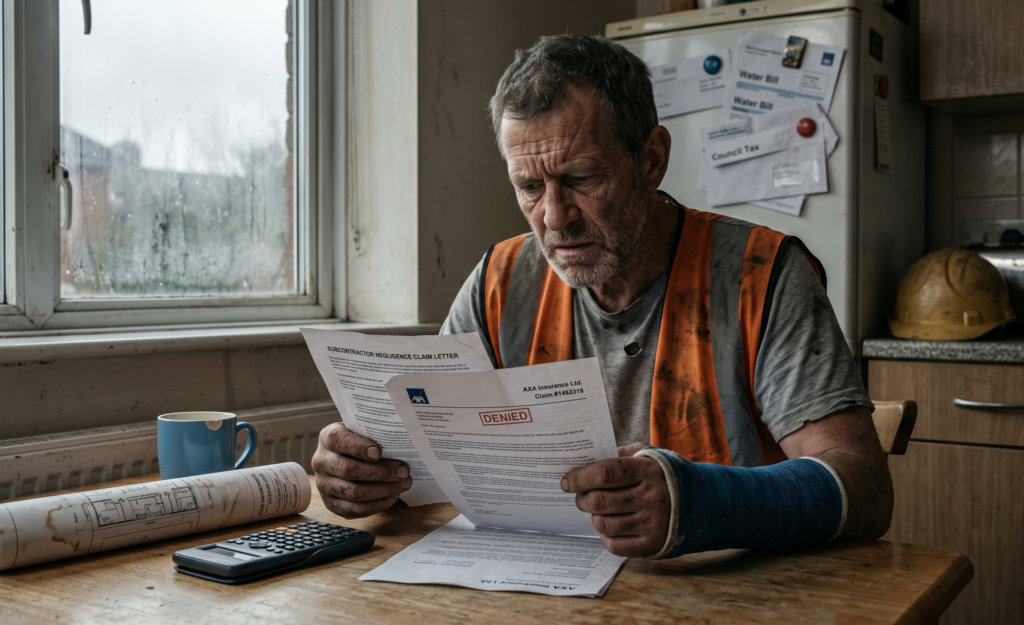
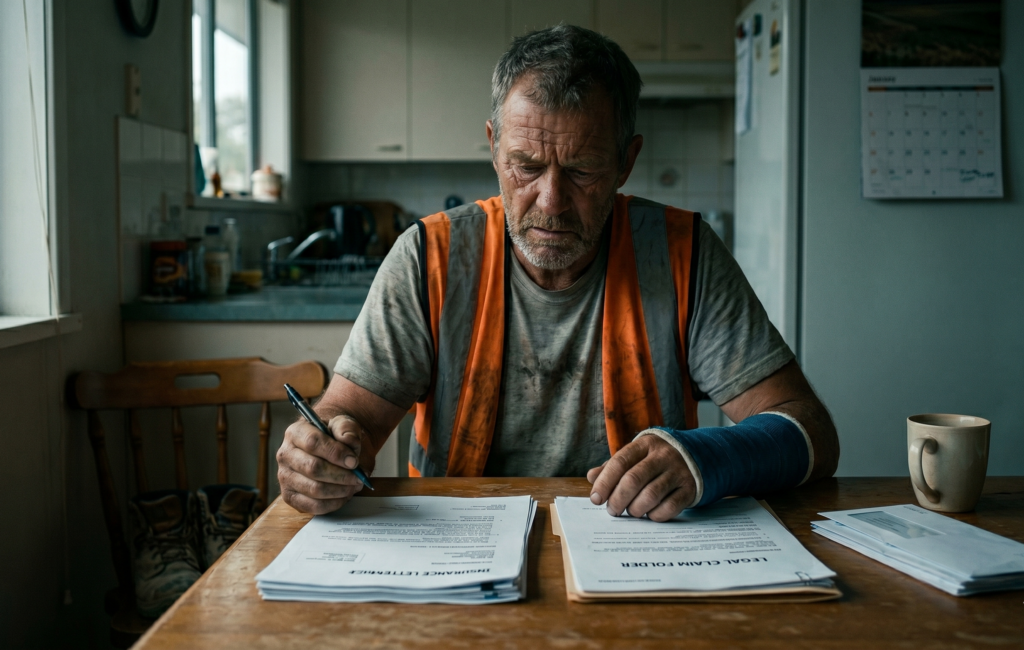
    Most injured construction workers are handed a single claim and told that is the end of the conversation. Workers’ comp pays a slice of the wages, covers approved medical care, and the file is closed. What rarely gets explained is that a serious jobsite injury can sometimes trigger two separate legal claims at the same time — a workers’ comp claim and a personal injury claim — and that the real money is often found in how those two are coordinated, not in either one alone.

    This is the part of the system that quietly determines whether an injured worker walks away with a partial check or a recovery that reflects the full cost of what happened. Understanding where these two tracks meet is one of the most valuable things a construction worker can learn after an accident.
    Two Different Systems, Two Different Purposes

    Workers’ comp and personal injury law were built to do different jobs, and that difference is the entire reason combining them can be so powerful.

    Workers’ compensation is a no-fault system. It does not ask who caused the accident. In exchange for that speed and certainty, it generally limits what it pays and, in most states, blocks a worker from suing their own employer. Personal injury law works the opposite way: it requires proof that someone was at fault, but in return it can pursue the full range of damages the law allows — including categories workers’ comp simply does not pay.

    The key insight: Workers’ comp limits your claim against your employer. It generally does not limit a personal injury claim against a different party whose negligence helped cause the harm. That gap is where total recovery is built.

    Where the Two Claims Overlap

    A personal injury claim usually becomes possible when someone other than the direct employer contributed to the accident. On a busy construction site, that list is often long. Parties that commonly come under review include:

    • Equipment manufacturers, when a defective machine, tool, ladder, or part fails during normal use.
    • General contractors or other subcontractors, when a crew the worker does not work for creates a hazard.
    • Property owners, in certain cases involving known dangers or unsafe premises.
    • Drivers and trucking companies, when a vehicle is involved while the worker is on the job.
    • Maintenance and service firms, when neglected upkeep leads to a failure.

    When one of these outside parties is involved, the worker may be able to collect no-fault comp benefits right away while also pursuing a fault-based personal injury claim for everything comp leaves behind.

    What Each Claim Actually Pays

    The financial reason to look at both claims together is simple: they recover fundamentally different things. Seeing them side by side makes the gap obvious.

    Type of LossWorkers’ CompPersonal Injury Claim
    Medical billsGenerally covered (approved care)Yes, including future treatment
    Lost wagesUsually a partial percentagePotentially full lost earnings
    Future earning capacityLimited and formula-basedOften recoverable in full
    Pain and sufferingGenerally not availableOften recoverable
    Loss of quality of lifeNot paidPotentially recoverable
    Fault requiredNo — benefits are no-faultYes — negligence must be shown

    Attorneys often describe the two as running on parallel tracks. Comp keeps a household afloat in the short term; the personal injury claim pursues the larger human and financial losses comp was never designed to address.
    The Trap That Quietly Shrinks Total Recovery: The Comp Lien

    Here is where many workers lose money without realizing it. When a personal injury claim succeeds, the workers’ comp insurer that already paid medical bills and wage benefits may be entitled to be repaid out of that recovery. This repayment right is called a lien or subrogation interest, and if it is ignored until the end, it can swallow a large share of the settlement.

    This does not make a personal injury claim pointless — it makes timing and strategy everything. Because the lien reaches back into the comp benefits already paid, the two claims generally need to be evaluated together from the start rather than treated as unrelated files. How the lien is calculated, negotiated, and reduced is highly state-specific.

    Insurer tactic to watch for: A comp insurer may stay quiet while benefits are paid, then assert the largest possible lien once a personal injury settlement appears. When the lien is addressed only at the finish line, the worker’s net recovery can shrink dramatically. Attorneys often emphasize that coordinating the two claims early is what protects the final number.

    How Safety Violations Strengthen the Personal Injury Side

    A personal injury claim rarely succeeds on hardship alone. It is generally built on whether a recognized safety standard was broken. Construction is one of the most heavily regulated industries in the country, and those federal rules create a clear baseline for what responsible companies are expected to do.

    When equipment lacked a required guard, when a lift was overloaded, or when a known hazard went unaddressed, that violation can become strong evidence of negligence. The federal safety standards that contractors and manufacturers are expected to follow are published and enforced by the U.S. Occupational Safety and Health Administration (OSHA).

    Different Deadlines on Different Clocks

    One of the most damaging mistakes is assuming both claims share a single deadline. They do not. The window to report a comp injury may be measured in days, while the window to file a personal injury claim — the statute of limitations — is generally measured in years. Missing either one is usually permanent.

    State laws vary significantly. Reporting windows, filing deadlines, lien reduction rules, and shared-fault standards change dramatically from one state to the next. In some states, fault assigned to the injured worker can reduce or even eliminate a recovery; in others, the rules are far more forgiving. Standard guidelines suggest confirming the specific deadlines and rules that apply where the injury occurred, because a closed window generally cannot be reopened.

    For a step-by-step walkthrough of how a construction injury moves from the first report all the way to a full resolution, our complete workers’ compensation guide explains each stage in plain language.

    Approaches Injured Workers Commonly Consider

    While nothing here is legal or medical advice, the following reflects how serious construction injuries with a possible personal injury angle are generally navigated. Attorneys often recommend treating coordination between the two claims as the priority:

    1. Identifying every company on site. Because fault is frequently shared, knowing which firms were present helps reveal whether a personal injury claim exists at all.
    2. Mapping the comp lien early. Understanding what the comp insurer may try to recover changes how a personal injury settlement is valued from day one.
    3. Keeping both claims consistent. Statements made in a comp claim can affect the personal injury case, so aligning them is generally considered important.
    4. Acting within the deadlines. Because the clocks differ and state rules vary, understanding local time limits early is widely regarded as essential.

    Remember: A construction injury can open two doors, not one. Workers’ comp delivers fast, no-fault support, while a personal injury claim may capture the larger losses comp leaves on the table — but the comp lien means the two must be handled together to protect the total. State laws vary significantly, and the specific facts of the jobsite always matter.

    See What Your Total Recovery May Be Worth

    If a comp check is barely covering the bills, it is worth knowing whether a second claim was sitting in plain sight the whole time — and how much of it you would actually keep after the lien. Far too many construction workers settle for a fraction of what their situation may be worth, simply because no one explained how the two claims fit together. Before assuming workers’ comp is the end of the story, get a clearer picture of the potential value and direction of your case. Try the free, anonymous Benefits Estimator at HardHat Rights — no names, no pressure, just a clearer sense of your options in minutes. Start your free Benefits Estimator here and find out what your total recovery could look like.

  • Wrongful Death in Construction: Securing Financial Protection for Your Family


    Wrongful Death in Construction: Securing Financial Protection for Your Family

    When a construction worker does not come home, the family is left carrying two crushing weights at once: an unbearable loss and a sudden, frightening question about how the household will survive financially. In the days that follow, an insurance adjuster may reach out sounding kind and helpful. What many grieving families do not realize is that the system already has a number in mind — and it is rarely the number that reflects what was truly taken from them.

    Construction remains one of the deadliest industries in the United States, and the benefits available to surviving families are often far broader than the first offer suggests. Understanding how those protections work — before signing anything — can be the difference between a family that is stabilized and one that is quietly shortchanged during its most vulnerable moment.

    Two Separate Paths to Financial Protection

    After a fatal jobsite accident, survivors are generally looking at two distinct sources of recovery, and they are frequently confused for one another. Each works differently, covers different losses, and runs on its own deadline.

    • Workers’ compensation death benefits. These are no-fault benefits paid through the employer’s insurance. The family generally does not have to prove anyone did anything wrong — only that the death was work-related.
    • A wrongful death claim against a third party. This is a separate lawsuit based on fault, brought against a company that is not the employer whose negligence contributed to the death.

    The distinction that protects families: Workers’ comp death benefits are usually faster but limited and formula-based. A wrongful death claim is harder to prove but can pursue the full human and financial loss — losses comp was never designed to address. In many fatal construction cases, both may exist at the same time.

    Who Generally Qualifies as a Dependent

    Workers’ comp death benefits do not go to everyone equally. They flow to those the law recognizes as dependents, and this is one of the most state-specific areas of all. Standard guidelines suggest that the following are commonly considered:

    • A surviving spouse, who is frequently presumed to be a dependent.
    • Minor children, who are typically covered until a defined age, sometimes longer if they remain in school.
    • Children with disabilities, who may qualify for extended or lifetime support in certain states.
    • Other partial dependents, such as a parent or relative who relied on the worker’s income, in some jurisdictions.

    How these dependents share the benefits, and for how long, changes dramatically from one state to the next. Attorneys often note that disputes over who qualifies and in what share are among the most common reasons death claims stall.

    What Workers’ Comp Death Benefits Typically Include

    While the exact formulas vary, death benefits generally fall into a few recognizable categories. The table below shows how they tend to compare against what a fault-based wrongful death claim may pursue.

    What’s CoveredWorkers’ Comp Death BenefitWrongful Death Claim
    Funeral and burial costsYes, up to a capped amountYes, often in full
    Lost household incomeA percentage of average wagesPotentially full lost earnings
    Loss of companionship and guidanceGenerally not availableOften recoverable
    The family’s grief and sufferingNot coveredMay be recoverable
    Fault requiredNo — benefits are no-faultYes — negligence must be shown

    This contrast is why families are so often surprised. A comp death benefit may keep the lights on, but it generally places no value on the role the person actually played in the family — the partner, the parent, the provider. A wrongful death claim is the path designed to address that fuller loss.

    How a Wrongful Death Claim Is Built

    A wrongful death lawsuit rarely succeeds on grief alone. It is generally built on whether a recognized safety standard was broken by a party other than the employer. Construction is heavily regulated precisely because its accidents are so often fatal, and those federal rules create a clear baseline for what responsible companies are expected to do.

    When a fall protection system was missing, a trench was left unshored, or a piece of equipment lacked a required guard, that violation can become powerful evidence of negligence. Families can review the federal safety standards that responsible contractors are expected to follow directly through the U.S. Occupational Safety and Health Administration (OSHA), the agency that investigates fatal construction incidents and publishes the rules behind them.

    Insurer tactic to watch for: After a fatality, the companies involved sometimes move quickly to repair the scene, replace equipment, or gather “friendly” witness statements before the family has any guidance. Once that evidence is altered, proving what failed becomes far harder. Attorneys often emphasize how decisive the earliest days after a death can be.

    Deadlines That Can Quietly End a Family’s Claim

    This is where strong claims silently die. A workers’ comp death claim and a wrongful death lawsuit run on completely different clocks. The deadline to report and file for comp death benefits may be short, while the statute of limitations to file a wrongful death lawsuit is generally measured in years — but missing either is usually permanent.

    State laws vary significantly. Filing deadlines, who counts as a dependent, the size of funeral and benefit caps, and even who has the legal right to bring a wrongful death claim change dramatically from one state to the next. Standard guidelines suggest confirming the specific deadlines that apply where the death occurred, because a missed window generally cannot be reopened — no matter how strong the underlying case was.

    For a broader walkthrough of how a serious construction claim moves from the first report through a full resolution, our complete workers’ compensation guide explains each stage in plain language.

    Approaches Surviving Families Commonly Consider

    While nothing here is legal advice, the following reflects how fatal construction cases are generally navigated. Attorneys often recommend treating documentation and timing as the foundation of both claims:

    1. Identifying every company on site. Because responsibility is frequently shared, knowing which firms were present helps reveal whether a wrongful death claim against a third party exists at all.
    2. Preserving the scene and equipment. Photographs and records of the conditions, before anything is repaired, are often the most valuable evidence a family has.
    3. Being cautious with early offers. A quick settlement offered before the family understands the full picture is generally worth careful review, since accepting it can close the door on other claims.
    4. Acting within the deadlines. Because the clocks differ and state rules vary, understanding local time limits early is widely regarded as essential.

    Remember: A fatal construction accident can open two doors, not one. Workers’ comp death benefits handle immediate, no-fault support, while a wrongful death claim may address the far larger loss the family actually suffered. State laws vary significantly, and the specific facts of the jobsite always matter.

    Understand What Your Family May Be Entitled To

    In the middle of grief, no family should have to guess whether they are being treated fairly — or accept the first number an insurer puts in front of them. Before assuming a single check is the end of the story, it helps to get a clearer picture of the potential value and direction of your family’s situation. Try the free, anonymous Benefits Estimator at HardHat Rights — no names, no pressure, just a clearer sense of your options in minutes. Start your free, anonymous Benefits Estimator here and find out what your next step could look like.

  • Pain and Suffering: Why Workers’ Comp Doesn’t Pay It (And How You Still Can Get It)


    Pain and Suffering: Why Workers’ Comp Doesn’t Pay It (And How You Still Can Get It)

    After a serious jobsite injury, one question quietly haunts almost every construction worker: “What about everything this is putting me through?” The sleepless nights, the pain that never fully leaves, the hobbies you can no longer enjoy, the strain on your family. It feels obvious that this should be worth something. Then the comp check arrives, and it covers none of it.

    This is one of the most painful surprises in the entire system. The losses that hurt the most are often the exact losses workers’ compensation was never built to pay. Understanding why — and where that money can actually come from — is one of the most important things an injured worker can learn.

    The Grand Bargain That Erased Your Pain and Suffering

    Workers’ compensation runs on a trade-off often called the “grand bargain.” In exchange for fast, guaranteed, no-fault benefits, the system generally strips out your right to sue your employer — and with it, the right to be paid for pain and suffering.

    The logic is cold but consistent. Because comp pays regardless of fault, it limits what it pays to a fixed menu of economic items. Medical care and a slice of your lost wages are in. The human cost of the injury is deliberately left out.

    The distinction that catches everyone off guard: Workers’ comp is a no-fault system. It pays for medical bills and partial wages, but it generally does not pay one cent for pain, suffering, emotional distress, or loss of enjoyment of life. Those are considered “non-economic” damages, and the comp system was designed to exclude them.

    What Workers’ Comp Actually Pays — And What It Skips

    Seeing the two side by side makes the gap impossible to miss. Standard workers’ comp benefits are limited by formula, while the losses people feel most deeply fall outside the system entirely.

    Type of LossCovered by Workers’ Comp?
    Medical treatment for the injuryGenerally yes
    A percentage of lost wagesUsually partial (often around two-thirds)
    Permanent impairment ratingYes, but formula-based
    Physical pain and ongoing discomfortGenerally not paid
    Emotional distress and mental anguishGenerally not paid
    Loss of enjoyment of lifeGenerally not paid

    This is why a worker can have an “approved” claim and still feel shortchanged. The claim is doing exactly what comp claims do — and that was never going to include the suffering itself.

    The Confusion Insurers Are Happy to Leave Alone

    Many workers assume a permanent impairment rating is the system’s version of pain and suffering. It is not. An impairment rating measures loss of function — how much a body part no longer works — using medical guidelines and a state formula. It does not measure how much you hurt, how poorly you sleep, or how much of your life the injury has taken.

    Insurers rarely rush to clarify this. When a worker believes the impairment payment already accounts for their suffering, they are far less likely to ask the one question that matters most: is there another claim entirely that does pay for it?

    Insurer tactic to watch for: Adjusters may frame an impairment or settlement figure as “compensation for everything you’ve been through.” That phrasing blurs the line on purpose. Attorneys often recommend treating an impairment rating and pain-and-suffering damages as two completely separate concepts.

    The Door That Stays Open: Third-Party Claims

    Here is the part that changes the entire picture. The comp bargain only blocks claims against your employer. It generally does not block a claim against a different company whose negligence helped cause your injury. That separate claim is called a third-party claim — and because it is based on fault, it can pursue the full range of damages, including pain and suffering.

    On a crowded jobsite, the parties who are not your employer are everywhere. A pain-and-suffering recovery may become possible when the harm was caused or worsened by:

    • Equipment manufacturers, when a defective tool, ladder, lift, or machine fails during normal use.
    • General contractors or other subcontractors, when a crew you do not work for creates a hazard.
    • Property owners, in certain cases involving known dangers or unsafe premises.
    • Negligent drivers, when a vehicle accident happens while you are on the job.
    • Maintenance or service companies, when neglected upkeep leads to a failure.

    The common thread is simple: if a company that is not your direct employer contributed to your injury, the door to full damages — pain and suffering included — may be open.

    How a Pain-and-Suffering Case Is Built

    Non-economic damages are not pulled from thin air. A third-party claim generally has to show that someone broke a recognized duty of care or safety standard. Construction is one of the most heavily regulated industries in the country, and those federal rules create a clear baseline for what responsible companies are expected to do.

    When a guard was missing, a lift was overloaded, or a known hazard went unaddressed, that failure can become powerful evidence of negligence. You can review the federal safety standards that responsible employers and contractors are expected to follow directly through the U.S. Occupational Safety and Health Administration (OSHA), the agency that publishes and enforces them.

    For pain and suffering specifically, the evidence tends to be deeply human: consistent medical records, documentation of ongoing treatment, and an honest record of how daily life has changed. For a broader walkthrough of how a construction injury moves from the first report to a full resolution, our complete workers’ compensation guide explains each stage in plain language.

    State Rules That Can Quietly Shrink or End Recovery

    This is where strong claims often slip away unnoticed. A comp claim and a third-party claim run on completely different clocks, and the rules around pain-and-suffering damages shift dramatically from state to state.

    State laws vary significantly. The deadline to file a third-party negligence claim — the statute of limitations — is generally measured in years, while the deadline to report a comp injury may be measured in days. Some states also reduce non-economic damages based on the injured worker’s share of fault, and a few cap them outright. Standard guidelines suggest confirming the specific deadlines and damage rules that apply where the injury occurred, because a missed window generally cannot be reopened.

    There is also a connection most workers never see coming. When a third-party claim succeeds, the comp insurer that already paid your medical bills and wages may be entitled to be repaid out of that recovery through what is known as a lien or subrogation interest. This rarely makes a third-party claim pointless — but it is a major reason the two cases are generally evaluated together rather than separately.

    Approaches Injured Workers Commonly Consider

    While nothing here is legal or medical advice, the following reflects how construction injuries with a possible pain-and-suffering angle are generally navigated. Attorneys often recommend treating documentation as the foundation:

    1. Separating the two questions. What comp will pay is one issue; whether a third party caused the harm is a completely different one that determines whether pain and suffering is even on the table.
    2. Identifying every company on site. Because liability is frequently shared, knowing which firms were present helps reveal whether a third-party claim exists.
    3. Documenting the human cost. Records of pain levels, treatment, sleep, mobility, and lost activities are widely considered the backbone of any non-economic damages claim.
    4. Acting within the deadlines. Because the clocks differ and state rules vary, understanding local time limits early is generally regarded as essential.

    Remember: Workers’ comp not paying for your pain does not mean your pain has no value. It means the value generally lives in a different claim. State laws vary significantly, and the specific facts of your jobsite always matter.

    Find Out If Your Suffering Has a Path to Payment

    If your comp claim is “approved” but it feels like everything you’re actually going through has been ignored, that feeling is not in your head — the system was built to leave it out. The real question is whether a second claim exists that can finally account for it. Far too many workers never ask, simply because no one told them it was possible. Before you assume the comp check is the end of the story, get a clearer picture of the potential value and direction of your situation. Try the free, anonymous Benefits Estimator at HardHat Rights — no names, no pressure, just a clearer sense of your options in minutes. Start your free Benefits Estimator here and find out what your next step could look like.

  • When OSHA Steps In: Using Safety Citations to Strengthen Your Case


    When OSHA Steps In: Using Safety Citations to Strengthen Your Case

    After a serious jobsite injury, a federal safety inspector sometimes arrives within days. To an injured construction worker recovering at home, that visit can feel distant and bureaucratic — paperwork happening to someone else. In reality, what that inspector writes down can become one of the most powerful pieces of evidence attached to your situation. An OSHA safety citation is, in plain terms, the federal government formally stating that a company broke a safety rule. When that violation is tied to the very accident that hurt you, it can quietly reshape the strength of your case.

    Most workers are never told this connection exists. The insurance side certainly understands it — and often hopes you never do.

    What an OSHA Citation Actually Is

    OSHA — the U.S. Occupational Safety and Health Administration — is the federal agency responsible for workplace safety. After certain serious incidents, OSHA may open an inspection. If inspectors find that an employer or contractor failed to follow a required safety standard, they issue a citation: an official document naming the violation, the rule that was broken, and a proposed penalty.

    These citations are generally sorted by how serious the violation is. Understanding the categories helps explain why some carry far more weight than others.

    Citation TypeWhat It Generally MeansTypical Significance
    Other-than-SeriousA violation unlikely to cause serious harmLower weight, but still on the record
    SeriousA hazard that could cause serious injury or death the employer knew or should have known aboutOften highly relevant to an injury claim
    WillfulAn intentional or knowing disregard of the lawAmong the most damaging to a company
    RepeatThe same violation cited beforeSuggests a pattern, not an accident

    You can review how these categories are defined and search public inspection records directly through the U.S. Occupational Safety and Health Administration (OSHA), which publishes the standards employers are expected to follow.

    Why a Citation Matters Even in a No-Fault System

    Here is where many workers get confused. Workers’ compensation is generally a no-fault system — you usually do not have to prove your employer was careless to receive benefits. So why would a safety citation matter at all?

    The answer is that a citation rarely helps the core comp claim and instead becomes valuable on two other fronts: when a claim is being disputed, and when a separate third-party claim exists outside the comp system.

    The point most workers miss: Workers’ comp generally bars you from suing your own employer. It does not automatically bar a claim against a different company whose negligence contributed to the accident. In that separate claim, fault is everything — and an OSHA citation is government-documented proof that a safety rule was broken.

    In a third-party claim, negligence must be shown. A federal finding that a contractor violated a known safety standard can transform a “your word against theirs” dispute into a documented record backed by an official investigation.

    How Insurers Try to Minimize a Citation

    Because a citation can be so significant, the response from the company and its insurer is often predictable. Standard guidelines suggest watching for several recurring tactics designed to drain a violation of its impact.

    • Contesting the citation. Employers can formally challenge OSHA findings, which can lower, reclassify, or delay the violation on paper.
    • Settling quietly with OSHA. A “serious” citation may be negotiated down to “other-than-serious,” softening how it reads later.
    • Repairing the hazard fast. Fixing the dangerous condition is good for safety, but it can also erase the physical evidence of what went wrong.
    • Separating the citation from your injury. Insurers often argue the violation was unrelated to how you were actually hurt.

    Insurer tactic to watch for: A citation against the employer and the injury to the worker are sometimes treated as two unrelated events. The insurer may acknowledge the violation while insisting it had “nothing to do with” the accident. Connecting the cited hazard to the specific mechanism of injury is generally where these cases are won or lost.

    Connecting the Citation to Your Injury

    A citation by itself is a fact about the worksite. Its real value generally comes from linking it directly to the harm you suffered. Attorneys often describe this as building a chain: the rule that was broken, the hazard it created, and the injury that followed.

    1. The standard. The specific federal rule the company violated — for example, missing fall protection or an unguarded machine.
    2. The hazard. The dangerous condition that violation produced on the site.
    3. The injury. Evidence that this exact hazard is what caused your accident, not some unrelated factor.

    When all three connect cleanly, a citation stops being background paperwork and becomes a central pillar of the case. For a broader walkthrough of how a construction injury moves from the first report to a full resolution, our complete workers’ compensation guide explains each stage in plain language.

    How Deadlines and State Rules Change Everything

    OSHA itself operates on a federal timeline, but the claims that rely on its findings do not. A workers’ comp claim and a third-party lawsuit are governed by completely different clocks, and an OSHA citation does not pause either one. The deadline to report a comp injury may be measured in days, while the deadline to file a third-party negligence claim — the statute of limitations — is generally measured in years, but varies dramatically from state to state.

    State laws vary significantly. The time limits, the rules on shared fault, and how strongly a safety violation can be used as evidence all change from one state to the next. In some states, a documented violation creates a strong presumption of negligence; in others, it is treated as just one piece of evidence. Standard guidelines suggest confirming the specific rules and deadlines that apply where the injury occurred, because a missed window generally cannot be reopened.

    It is also worth knowing that an OSHA inspection report and the citation itself are public records. That permanence cuts both ways: it preserves the finding for later use, but it also gives the company time and reason to contest the language before anyone relies on it.

    Approaches Injured Workers Commonly Consider

    While nothing here is legal or medical advice, the following reflects how citation-related cases are generally navigated. Attorneys often recommend treating documentation as the foundation.

    • Noting whether an inspection happened. Knowing if OSHA visited the site at all is frequently the first thread worth pulling.
    • Preserving the scene early. Photographs of the hazard before it is repaired often matter more than the citation itself.
    • Keeping the injury and the violation aligned. Consistency between how the accident is described and what the citation found is generally considered important.
    • Acting within local deadlines. Because the clocks differ and state rules vary, understanding the applicable time limits early is widely regarded as essential.

    Remember: An OSHA citation is the government putting a safety failure in writing. On its own it is paperwork — connected to your injury and used within the right deadlines, it can become one of the strongest facts in your favor. State laws vary significantly, and the specifics of your jobsite always matter.

    See What Your Claim May Truly Be Worth

    If a safety violation played any part in your injury, your situation may be worth far more than a standard comp check suggests — and that possibility often goes completely unexamined. Before you assume the insurer’s number is the final word, it helps to understand the potential value and direction of your case. Try the free, anonymous Benefits Estimator at HardHat Rights to get a clearer picture in minutes, with no names and no pressure. Start your free Benefits Estimator here and find out what your next step could look like.

  • Motor Vehicle Accidents on the Construction Site: Who Actually Pays?


    Motor Vehicle Accidents on the Construction Site: Who Actually Pays?

    A construction site is one of the few workplaces where moving vehicles and people on foot share the same ground all day long. Dump trucks back up, forklifts cut across active zones, delivery drivers roll in from the public road, and pickups weave between materials. When two of those worlds collide, the injuries are often severe — and the very first question that follows is rarely about medicine. It is about money: who pays for this?

    The honest answer is that a jobsite vehicle accident can open more than one source of compensation at the same time, and the insurers involved are not in a hurry to explain that. Knowing which doors may be open is what separates a worker who recovers a fraction of their losses from one who recovers the full picture.

    Why “Who Pays” Is More Complicated Here Than a Normal Car Crash

    On a public highway, a car crash usually has one payer: the at-fault driver’s auto insurance. A construction site scrambles that simple picture. The same accident can sit inside the workers’ compensation system and inside the auto-liability system at once, because a jobsite vehicle crash usually involves a worker who was on the clock when it happened.

    That overlap is the key. When you are injured while working, workers’ comp generally responds regardless of who was at fault. But if the vehicle that hurt you was driven by someone other than your direct employer, a separate fault-based claim may exist alongside your comp claim — and that second claim can reach losses comp was never built to cover.

    The distinction that controls everything: Workers’ comp is no-fault — it pays because you were hurt at work, not because someone was careless. A third-party auto claim is fault-based — it pays because a specific driver or company caused the crash. The two are not the same money, and one does not cancel the other.

    The Four Common Scenarios — and the Payer Behind Each

    Most jobsite vehicle accidents fall into a handful of patterns. Standard guidelines suggest the likely source of compensation shifts dramatically depending on who was driving and who they worked for.

    What HappenedLikely Payer(s)Why
    Struck by a co-worker’s vehicle or equipmentWorkers’ compAn employer and co-workers are generally shielded from being sued directly.
    Hit by a delivery, trucking, or outside contractor’s vehicleComp and a third-party claimThe outside company is not your employer, so fault-based damages may apply.
    Injured by a member of the public driving through or near the siteComp and the driver’s auto insuranceA public driver is a classic third party with their own liability coverage.
    Crash while driving for work off-site (errand, material run)Comp, plus possible auto claimsTravel in the course of work is often covered, and another driver may be at fault.

    The pattern is consistent: the moment a vehicle from outside your own employer is involved, the chance of a second, larger claim rises sharply.

    Why the Second Claim Can Be Worth Far More

    Workers’ comp is fast but limited by design. A third-party auto claim, because it rests on someone’s fault, can generally pursue the full range of damages the law allows. The two recover fundamentally different things.

    • Medical bills — comp typically covers approved treatment; a third-party claim can also pursue future care.
    • Lost wages — comp usually pays a partial percentage, while a third-party claim may pursue full lost earnings.
    • Pain and suffering — generally unavailable under comp, but frequently recoverable in a third-party case.
    • Loss of future earning ability — limited and formula-based under comp, often fully recoverable through a fault claim.

    Attorneys often describe the two as running on parallel tracks: comp keeps you afloat immediately, while the third-party claim addresses the broader human and financial cost the crash left behind.

    How Safety Rules Build the Fault Case

    A third-party claim rarely succeeds on frustration alone. It is generally built on whether a recognized safety standard was broken. Jobsite traffic is heavily regulated precisely because vehicle-versus-worker accidents are so often catastrophic, and those federal rules create a clear baseline for what responsible companies are expected to do.

    When a backup alarm was disabled, a spotter was missing, a work zone lacked barriers, or a driver was untrained, that lapse can become powerful evidence of negligence. You can review the federal standards covering jobsite traffic control and struck-by hazards directly through the U.S. Occupational Safety and Health Administration (OSHA), the agency that publishes and enforces them.

    Insurer tactic to watch for: After a serious vehicle accident, the at-fault company sometimes moves quickly to repair the vehicle, reset the work zone, or “clean up” the scene before the dangerous condition is documented. Once the layout, the skid marks, or the disabled alarm are gone, proving what failed becomes far harder. Attorneys often emphasize how decisive the first days after a crash can be.

    The Workers’ Comp Lien: Why the Claims Are Connected

    There is one link that surprises most workers. When a third-party claim succeeds, the workers’ comp insurer that already paid your medical bills and wage benefits may be entitled to be repaid out of that recovery. This is known as a comp lien or subrogation interest.

    This does not make a third-party claim pointless — far from it. It means the two cases generally have to be evaluated together, because how the lien is reduced can significantly affect what you ultimately keep. The way these liens are calculated is highly state-specific, which is one reason these crashes are rarely navigated alone.

    Deadlines and State Rules That Can End a Case Early

    This is where strong claims quietly die. A comp claim and a third-party auto claim run on completely different clocks. The deadline to report a comp injury may be measured in days, while the deadline to file a fault-based negligence claim — the statute of limitations — is generally measured in years. Missing either one is usually permanent.

    State laws vary significantly. Filing deadlines, the rules on shared fault, the size of the comp lien, and even which parties can be pursued change dramatically from one state to the next. In some states, fault assigned to the injured worker can reduce or eliminate recovery; in others, the rules are far more forgiving. Standard guidelines suggest confirming the specific deadlines that apply where the crash occurred, because a missed window generally cannot be reopened.

    For a broader walkthrough of how a construction injury moves from the first report all the way to a full resolution, our complete workers’ compensation guide explains each stage in plain language.

    Approaches Injured Workers Commonly Consider

    While nothing here is legal or medical advice, the following reflects how serious jobsite vehicle accidents are generally navigated. Attorneys often recommend treating documentation as the backbone of both claims:

    1. Identifying the vehicle and its owner. Knowing whether the driver worked for your employer, an outside contractor, or the public is what reveals if a second claim exists at all.
    2. Preserving the scene and the vehicle. Photographs of the vehicle, the work zone layout, and any missing safety measures are often the most valuable evidence — especially before anything is repaired.
    3. Keeping both claims consistent. Statements made in a comp claim can affect an auto claim, so aligning them is generally considered important.
    4. Acting within the deadlines. Because the clocks differ and state rules vary, understanding local time limits early is widely regarded as essential.

    Remember: A jobsite vehicle accident can open two doors, not one. Workers’ comp handles the immediate medical and wage support, while a third-party auto claim may address everything comp leaves behind. State laws vary significantly, and the specific facts of your crash always matter.

    See What Your Claim May Truly Be Worth

    If a comp check is barely covering your bills after a jobsite crash, it is worth knowing whether a second source of money was sitting in plain sight the entire time. A possible third-party auto claim often goes completely unexamined simply because no one tells the injured worker it exists. Before you assume workers’ comp is the end of the story, get a clearer picture of the potential value and direction of your situation. Try the free, anonymous Benefits Estimator at HardHat Rights — no names, no pressure, just a clearer sense of your options in minutes. Start your free Benefits Estimator here and find out what your next step could look like.

  • Defective Equipment Lawsuits: Holding Manufacturers Accountable


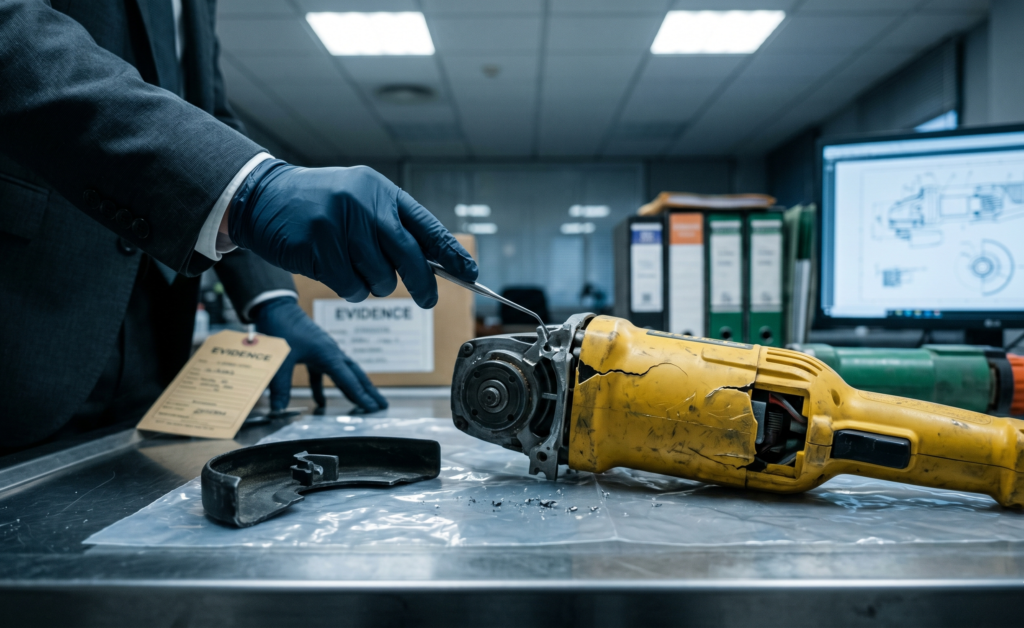
    Defective Equipment Lawsuits: Holding Manufacturers Accountable

    When a tool, lift, or machine fails on a jobsite, the first reaction is almost always the same: “I must have done something wrong.” The crew assumes operator error, the supervisor writes it up as an accident, and the injured worker is quietly steered toward a single workers’ comp claim. But a large share of construction injuries are not caused by the worker at all — they are caused by equipment that was unsafe before it ever reached your hands.

    When a defect in a product causes an injury, the company that designed, built, or sold that product may be legally responsible — entirely separate from your employer and entirely outside the workers’ comp system. This is the world of product liability, and for construction workers it is one of the most overlooked sources of real accountability and recovery.

    Why a Defective Equipment Claim Is Separate From Workers’ Comp

    Workers’ compensation runs on a bargain. In exchange for fast, no-fault benefits, the system generally blocks you from suing your own employer. That trade-off is why a comp check arrives without anyone having to prove fault — but it is also why comp leaves so much on the table.

    A defective equipment claim works on a completely different principle. It is not aimed at your employer at all. It targets a third party — the manufacturer, distributor, or seller of the product — whose unsafe item helped cause the harm. Because that company never made the workers’ comp bargain with you, the usual lawsuit shield generally does not protect it.

    The distinction that changes everything: Workers’ comp bars most claims against your employer. It generally does not bar a claim against the company that made or sold the defective equipment. That single difference is the foundation of every product liability case. For a wider look at non-employer claims, our overview of how a construction injury claim works explains where each one fits.

    The Three Kinds of Defects Courts Recognize

    Product liability is not about a machine simply breaking. It is about why it broke. Standard guidelines generally sort defects into three categories, and identifying which one applies often shapes the entire case:

    • Design defects. The product was dangerous as designed, even when built exactly to plan. A common example is a power tool sold without a guard that a reasonable design would have included, or a lift that becomes unstable under loads it was marketed to handle.
    • Manufacturing defects. The design was sound, but something went wrong on the assembly line — a weak weld, a brittle cable, a cracked housing — so that one unit reached the site in a dangerous condition.
    • Warning or instruction defects. The product lacked adequate warnings, safety labels, or instructions about a non-obvious hazard, leaving workers exposed to a risk they were never told about.

    The common thread is that the danger existed before the worker ever touched the equipment. The injury was not bad luck — it was built in.

    Why a Product Liability Claim Can Be Worth Far More

    The financial reason this matters is that the two claims recover fundamentally different things. A comp claim is capped by formula. A defective equipment claim, because it is based on fault, can generally pursue the full range of damages the law allows.

    What’s CoveredWorkers’ Comp ClaimDefective Equipment Lawsuit
    Medical billsYes, generally coveredYes, including future care
    Lost wagesUsually a partial percentagePotentially full lost earnings
    Future earning capacityLimited and formula-basedOften recoverable in full
    Pain and sufferingGenerally not availableOften recoverable
    Who is responsibleYour employer’s insurerManufacturer, distributor, or seller

    Attorneys often describe the two as running on parallel tracks. One delivers fast, no-fault benefits to keep you afloat. The other pursues the broader human and financial losses that comp was simply never designed to cover.

    How Safety Standards Build the Case

    A defective equipment lawsuit rarely succeeds on frustration alone. It is generally built on whether the product met the recognized safety standards for its category. Construction equipment is heavily regulated precisely because its failures are so often severe, and those federal rules create a clear baseline for what a responsible manufacturer is expected to deliver.

    When a machine lacked a required guard, when a safety interlock was missing, or when a known hazard went unlabeled, that gap can become powerful evidence that the product was unreasonably dangerous. You can review the federal safety standards that responsible manufacturers and employers are expected to follow directly through the U.S. Occupational Safety and Health Administration (OSHA), the agency that publishes and enforces them.

    Insurer tactic to watch for: After a serious failure, the equipment is sometimes repaired, returned to the rental company, scrapped, or “cleaned up” before the defect is ever documented. Once that machine is gone, proving what failed becomes far harder. Attorneys often emphasize how decisive the first days after an injury can be, because the broken product itself is usually the single most important piece of evidence.

    The Workers’ Comp Lien: Why the Two Claims Are Linked

    There is one connection that surprises most workers. When a defective equipment lawsuit succeeds, the workers’ comp insurer that already paid your medical bills and wage benefits may be entitled to be repaid out of that recovery. This is known as a comp lien or subrogation interest.

    This does not make the lawsuit pointless — far from it. It means the two cases generally have to be evaluated together rather than separately, because how the lien is handled can significantly affect what you ultimately keep. The way liens are calculated and reduced is highly state-specific, which is one of the main reasons these claims are rarely navigated alone.

    Deadlines and State Rules That Can End a Case Early

    This is where strong claims quietly die. A comp claim and a product liability claim run on completely different clocks. The deadline to report a comp injury may be measured in days, while the deadline to file a defective product claim — the statute of limitations — is generally measured in years. Missing either one is usually permanent.

    State laws vary significantly. Filing deadlines, the rules on shared fault, the size of the comp lien, and even which companies in the supply chain can be held responsible change dramatically from one state to the next. In some states, fault assigned to the injured worker can reduce or eliminate recovery; in others, the rules are far more forgiving. Standard guidelines suggest confirming the specific deadlines that apply where the injury occurred, because a missed window generally cannot be reopened.

    Approaches Injured Workers Commonly Consider

    While nothing here is legal or medical advice, the following reflects how serious injuries involving suspect equipment are generally navigated. Attorneys often recommend treating documentation as the backbone of both claims:

    1. Preserving the equipment itself. Keeping the actual machine, tool, or part — unrepaired and unreturned — is widely regarded as the most valuable step, since the product is the core evidence.
    2. Photographing the failure point. Close images of the break, the missing guard, or the worn cable, taken before anything is altered, often carry significant weight.
    3. Recording the make, model, and serial number. These details identify exactly which manufacturer and which production run are involved.
    4. Acting within the deadlines. Because the clocks differ and state rules vary, understanding local time limits early is generally considered essential.

    Remember: A construction injury can open two doors, not one. Workers’ comp handles the immediate medical and wage support, while a defective equipment lawsuit may hold the manufacturer accountable for everything comp leaves behind. State laws vary significantly, and the specific facts of your equipment always matter.

    See What Your Claim May Truly Be Worth

    If a comp check is barely covering your bills, it is worth knowing whether the company that built the equipment should be answering for what happened. A possible product liability claim often goes completely unexamined simply because no one tells the injured worker it exists. Before you assume workers’ comp is the end of the story, get a clearer picture of the potential value and direction of your situation. Try the free, anonymous Benefits Estimator at HardHat Rights — no names, no pressure, just a clearer sense of your options in minutes. Start your free Benefits Estimator here and find out what your next step could look like.

  • When a Subcontractor’s Mistake Leaves You Injured


    When a Subcontractor’s Mistake Leaves You Injured

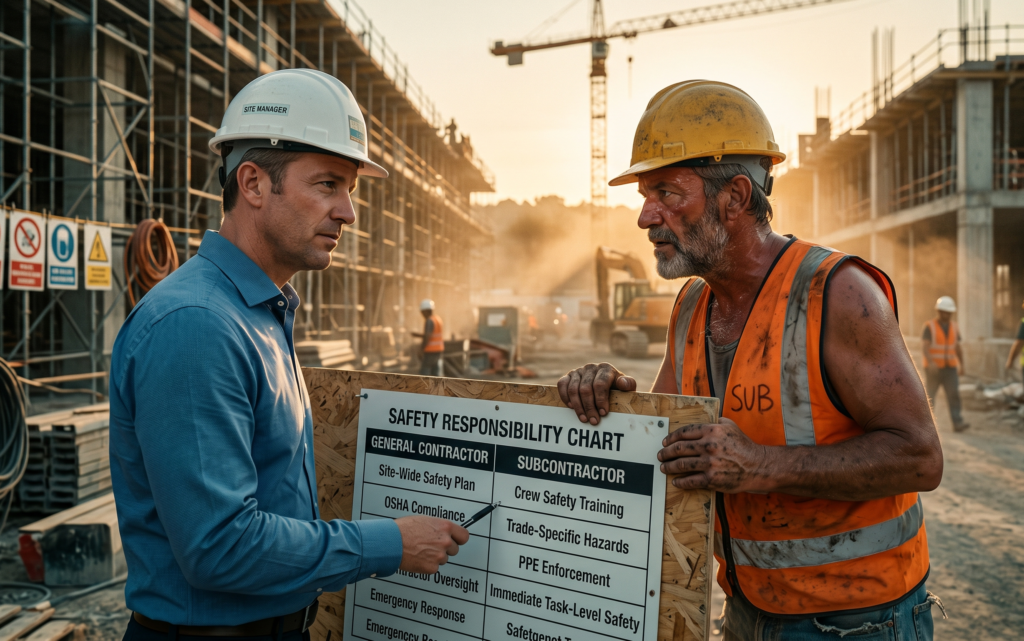
    Construction sites are layered operations. A general contractor (GC) runs the project, but the actual work is often split among many subcontractors—electricians, framers, roofers, scaffolding crews, and more. When one of those crews cuts a corner and someone gets hurt, the injured worker is frequently left asking a difficult question: who is actually responsible, and can the company at the top of the chain be held accountable?

    This is one of the most misunderstood areas of construction injury law. The short, honest answer is: sometimes yes, sometimes no—and it depends heavily on who employed you, who controlled the site, and which state you were working in.

    First, Understand the Workers’ Compensation “Trade-Off”

    Before any lawsuit is on the table, it helps to understand the system that usually applies first. In most states, workers’ compensation is what attorneys call an “exclusive remedy.” In plain terms, your own employer generally pays for your medical bills and lost wages no matter who caused the accident—and in exchange, you typically cannot sue your own employer for negligence.

    Key distinction: The exclusive remedy rule normally protects your direct employer. It does not automatically protect every other company on the jobsite. That gap is exactly where claims against a general contractor or another subcontractor can open up.

    The “Third-Party” Lawsuit Explained

    When a company that did not employ you causes your injury, it may be treated as a “third party.” A claim against a third party is separate from your workers’ comp benefits, and it can potentially recover damages that workers’ comp does not cover, such as full lost earnings and pain and suffering.

    Generally, in many states, a third-party claim against a general contractor or another subcontractor may be possible when the at-fault party:

    • Was responsible for overall site safety but failed to enforce it.
    • Created or ignored a known hazard (an unguarded edge, a defective scaffold, exposed wiring).
    • Controlled the “means and methods” of the dangerous work.
    • Hired a subcontractor it knew, or should have known, was unsafe (often called negligent hiring).

    Who Can Be Sued? A Quick Comparison

    The identity of the at-fault company matters enormously. Standard guidelines suggest the analysis usually breaks down like this:

    Who Caused the InjuryTypical PathLawsuit Often Possible?
    Your direct employer (the sub you work for)Workers’ compensationUsually no (exclusive remedy)
    A different subcontractorThird-party negligence claimOften yes
    The general contractor (not your employer)Third-party negligence claimPossibly, if it controlled safety
    An equipment manufacturerProduct liability claimOften yes

    The “Statutory Employer” Trap

    Here is where insurance companies and defense lawyers frequently push back. Many states have a legal concept called the “statutory employer” doctrine. Under it, a general contractor can sometimes be treated as if it were your employer—specifically so that it gets the same lawsuit immunity your direct boss has.

    Insurer tactic to watch for: When a GC is sued, its insurer will often argue the contractor is a “statutory employer” and therefore immune. Whether that argument wins varies dramatically by state, and it is one of the most heavily litigated issues in construction injury cases.

    Because of this, the same set of facts can lead to a winning lawsuit in one state and a dismissed case in another. Attorneys often recommend that an injured worker have the specific employment chain reviewed before assuming a claim is or is not possible.

    Safety Duties Don’t Always Disappear Up the Chain

    Even when work is delegated, a general contractor frequently retains certain non-delegable duties—responsibilities it cannot simply hand off by signing a subcontract. Federal safety policy reinforces this idea. Under the federal multi-employer worksite framework, more than one company on a site can be cited for the same hazard, including a “controlling employer” that oversees the project. You can review the official policy directly from the U.S. Occupational Safety and Health Administration at OSHA.gov.

    That regulatory concept does not automatically create a lawsuit, but it often supports the argument that the entity controlling the site shared responsibility for the conditions that caused an injury.

    Deadlines Are Not the Same for Each Path

    Critical warning: A workers’ compensation claim and a third-party lawsuit usually run on different clocks. The deadline to report a comp injury can be just days or weeks, while the statute of limitations for a negligence lawsuit is often measured in years—but missing either one can permanently close that door. State laws vary significantly regarding specific deadlines.

    For a broader walkthrough of how benefits, deadlines, and claims fit together, our complete guide to construction injury rights breaks the process down step by step.

    What Injured Workers Generally Document

    While every situation is different, attorneys often recommend that the following details be preserved as early as possible, because they tend to determine whether a third-party claim is viable:

    1. The exact company each worker on the crew was employed by.
    2. Who was running safety meetings and site inspections.
    3. Photos of the hazard and the surrounding conditions.
    4. Names of witnesses and any supervisors present.
    5. Copies of any incident or OSHA reports filed.

    Find Out What Your Claim May Be Worth

    Figuring out whether you can pursue a general contractor—and what that could mean for your recovery—does not have to start with a stressful phone call. You can begin privately, on your own terms, with our free, anonymous Benefits Estimator at HardHat Rights. In a few quick steps, it helps you understand which paths may apply to your situation, with no pressure and no personal contact information required.

    Start the Free, Anonymous Benefits Estimator →

    This article is for general informational purposes only and is not legal advice. Workers’ compensation and personal injury laws differ significantly from state to state.

  • Third-Party Lawsuits: When Workers’ Comp Isn’t Your Only Source of Money


    Third-Party Lawsuits: When Workers’ Comp Isn’t Your Only Source of Money

    After a serious jobsite injury, almost every construction worker hears the same sentence: “Workers’ comp is all you get.” It is repeated so often that most people accept it as law. But for a large number of construction injuries, it simply is not the whole truth. Alongside a workers’ comp claim, a completely separate source of money may exist — one that can pay for the losses comp was never designed to cover.

    That second source is called a third-party claim, and it is one of the most overlooked rights an injured construction worker has. Understanding when it applies can be the difference between a check that barely covers your bills and a recovery that reflects the full cost of what happened to you.

    The Trade-Off That Limits Your Workers’ Comp

    Workers’ compensation runs on a bargain. In exchange for guaranteed, no-fault benefits, the system generally blocks you from suing your own employer, no matter how careless that employer may have been. You get medical coverage and partial wage replacement quickly, but you give up the right to pursue your employer for the bigger losses.

    Here is the part insurers rarely highlight: that bargain only protects your employer. It does not shield every other company that may have contributed to your injury. When someone other than your employer caused or contributed to the accident, a separate claim against that party may live entirely outside the comp system.

    The distinction that changes everything: Workers’ comp bars claims against your employer. It generally does not bar a claim against a third party — a different company whose negligence helped cause the harm. That single difference is the foundation of every third-party lawsuit.

    What Counts as a “Third Party”

    A modern construction site is crowded with companies that are not your employer. Standard guidelines suggest that responsibility for an accident is frequently shared across several of them. Parties that commonly come under review in a third-party claim include:

    • Equipment manufacturers, when a defective tool, ladder, lift, or machine part fails during normal use.
    • General contractors or other subcontractors, when a crew you do not work for creates a dangerous condition.
    • Property owners, in certain situations involving known hazards or unsafe premises.
    • Drivers and trucking companies, when a vehicle accident occurs while you are working.
    • Maintenance or service companies, when poor upkeep of equipment or the site leads to a failure.

    The common thread is simple: if a company that is not your direct employer played a role in your injury, the door to a third-party claim may be open.

    Why a Third-Party Claim Can Be Worth So Much More

    The reason this matters financially is that the two claims recover fundamentally different things. A comp claim is limited by design. A third-party claim, because it is based on fault, can generally pursue the full range of damages the law allows.

    What’s CoveredWorkers’ Comp ClaimThird-Party Lawsuit
    Medical billsYes, generally coveredYes, including future care
    Lost wagesUsually a partial percentagePotentially full lost earnings
    Future loss of earning abilityLimited and formula-basedOften recoverable in full
    Pain and sufferingGenerally not availableOften recoverable
    Fault requiredNo — benefits are no-faultYes — negligence must be shown

    Attorneys often describe the two as running on parallel tracks. One delivers fast, no-fault benefits to keep you afloat. The other pursues the broader human and financial losses that comp simply leaves on the table.

    How Safety Violations Build a Third-Party Case

    A third-party lawsuit rarely succeeds on frustration alone. It is generally built on whether a recognized safety standard was broken. Construction is one of the most heavily regulated industries in the country precisely because its accidents are so often severe, and those federal rules create a clear baseline for what responsible companies are expected to do.

    When a piece of equipment lacked a required guard, when a lift was overloaded, or when a hazard went unaddressed, that violation can become powerful evidence of negligence. You can review the federal safety standards that responsible employers and contractors are expected to follow directly through the U.S. Occupational Safety and Health Administration (OSHA), the agency that publishes and enforces them.

    Insurer tactic to watch for: After a serious accident, the at-fault company and its insurer sometimes move quickly to repair, remove, or “clean up” the equipment or scene before the dangerous condition is documented. Once that evidence is gone, proving what failed becomes far harder. Attorneys often emphasize how decisive the first days after an injury can be.

    The Workers’ Comp Lien: Why the Two Claims Are Linked

    There is one connection between the claims that surprises most workers. When a third-party lawsuit succeeds, the workers’ comp insurer that already paid your medical bills and wage benefits may be entitled to be repaid out of that recovery. This is known as a comp lien or subrogation interest.

    This does not mean a third-party claim is pointless — far from it. It means the two cases generally have to be evaluated together rather than separately, because how the lien is handled can significantly affect what you ultimately keep. The way liens are calculated and reduced is highly state-specific, which is one of the main reasons these claims are rarely navigated alone.

    Deadlines and State Rules That Can End a Case Early

    This is where strong claims quietly die. A comp claim and a third-party lawsuit run on completely different clocks. The deadline to report a comp injury may be measured in days, while the deadline to file a third-party negligence claim — the statute of limitations — is generally measured in years. Missing either one is usually permanent.

    State laws vary significantly. The filing deadlines, the rules on shared fault, the size of the comp lien, and even which parties can be sued change dramatically from one state to the next. In some states, fault assigned to the injured worker can reduce or eliminate recovery; in others, the rules are far more forgiving. Standard guidelines suggest confirming the specific deadlines that apply where the injury occurred, because a missed window generally cannot be reopened.

    For a broader walkthrough of how a construction injury moves from the first report all the way to a full resolution, our complete workers’ compensation guide explains each stage in plain language.

    Approaches Injured Workers Commonly Consider

    While nothing here is legal or medical advice, the following reflects how serious construction injuries with a possible third-party angle are generally navigated. Attorneys often recommend treating documentation as the backbone of both claims:

    1. Identifying every company on site. Because liability is frequently shared, knowing which firms were present helps reveal whether a third-party claim exists at all.
    2. Preserving the equipment and the scene. Photographs of the machine, the failure point, and the surroundings are often the most valuable evidence, especially before anything is repaired.
    3. Keeping both claims consistent. Statements made in a comp claim can affect a third-party case, so aligning them is generally considered important.
    4. Acting within the deadlines. Because the clocks differ and state rules vary, understanding local time limits early is widely regarded as essential.

    Remember: A construction injury can open two doors, not one. Workers’ comp handles the immediate medical and wage support, while a third-party lawsuit may address everything comp leaves behind. State laws vary significantly, and the specific facts of your jobsite always matter.

    See What Your Claim May Truly Be Worth

    If a comp check is barely covering your bills, it is worth knowing whether a second source of money was sitting in plain sight the entire time. A possible third-party claim often goes completely unexamined simply because no one tells the injured worker it exists. Before you assume workers’ comp is the end of the story, get a clearer picture of the potential value and direction of your situation. Try the free, anonymous Benefits Estimator at HardHat Rights — no names, no pressure, just a clearer sense of your options in minutes. Start your free Benefits Estimator here and find out what your next step could look like.